Smoke odor lingering after fire
We treat the source, not the air. Hydroxyl generators and a smoke odor counteractant fogger run inside wall cavities and ductwork, and we verify with a walkthrough while the HVAC is running.
Smoke Remediation in PALOS VERDES PENINSULA, California is the deep-clean and deodorization step that makes a fire-damaged home livable again. We pull soot off walls and ceilings, scrub the HVAC system, and neutralize the odor that lingers after the flames are out. If you are searching for smoke remediation near me PALOS VERDES PENINSULA, our crew answers 24/7 and typically arrives within 60 minutes.
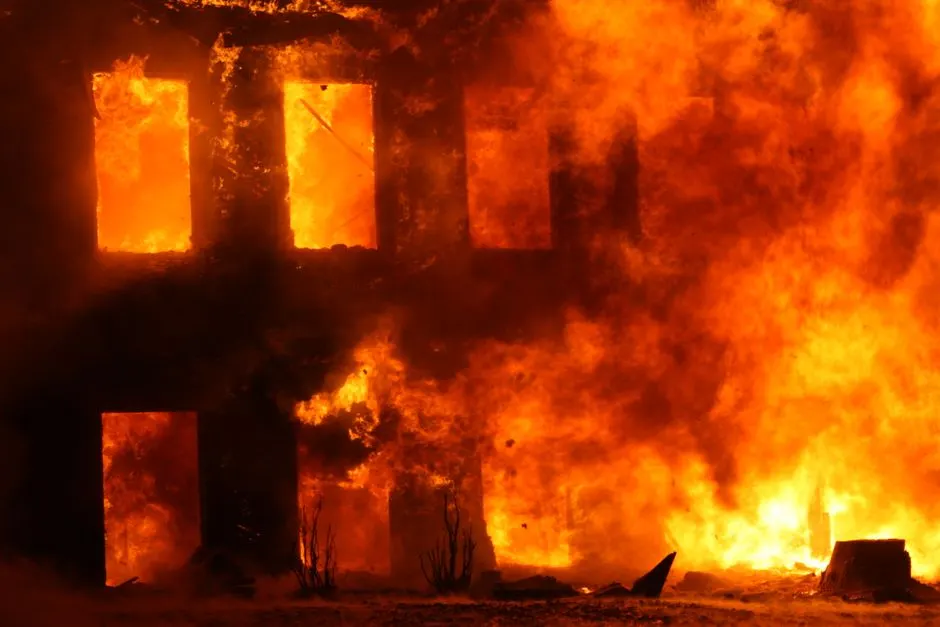
Smoke Remediation in PALOS VERDES PENINSULA, California is the process of removing soot residue, char, and odor-causing particles from every surface a fire touched, including the air inside your walls. We start with a thermal imaging camera and moisture meter to map where heat and smoke traveled, then HEPA-vacuum the structure, wipe with soot sponges, and seal charred framing with a char-blocking primer. Air scrubbers and hydroxyl generators run throughout to pull fine particles out of the air.
Most calls we take here start the same way: a kitchen fire in Malaga Cove or an electrical fire in Rancho Palos Verdes that the fire department put out in minutes, but the smoke kept moving for hours. Soot settles into drywall, insulation, and HVAC filters, and the odor comes back every time the heater kicks on. That is why professional smoke remediation PALOS VERDES PENINSULA California homeowners call us for includes duct cleaning and odor treatment, not just a wipe-down.
Our standard smoke remediation scope covers the structure and the air. Add-ons like structural repair, contents packing, and furniture refinishing are quoted separately once we see the damage. Here is what is included in a typical job.
We walk the structure with a thermal imaging camera and moisture meter, identify where smoke and firefighting water traveled, and write a room-by-room scope. You get it before work starts, and it becomes the basis for the insurance claim.
Negative air machines and air scrubbers run throughout the job to keep soot from spreading into clean rooms. Plastic barriers seal doorways and returns. This step protects the rooms the fire did not touch.
Ceilings, walls, framing, and contents get HEPA-vacuumed and wiped with soot sponges. Grease residue from kitchen fires gets a degreaser first. Delicate surfaces are cleaned with a chemical sponge to avoid damage.
Smoke travels through return ducts and coats the blower, coils, and filters. We clean or replace HVAC filters, clean the air handler, and seal ducts so the system stops recirculating soot into every room.
Hydroxyl generators and a smoke odor counteractant fogger run through the structure and ductwork for 24 to 72 hours. We finish with a room-by-room walkthrough and confirm no odor remains when the HVAC runs.
We arrive, walk the structure with a thermal imaging camera and moisture meter, and identify where smoke and water from firefighting traveled. You get a written scope and a start time the same day. Most assessments take 45 to 90 minutes.
We set negative air machines and air scrubbers to keep soot from spreading into clean rooms. Plastic barriers go up at doorways and returns. This step typically runs 2 to 4 hours and protects the rest of your home while we work.
Technicians HEPA-vacuum ceilings, walls, and framing, then wipe with soot sponges and a chemical sponge on delicate surfaces. Grease residue from kitchen fires gets a degreaser first. This is the longest phase, usually 1 to 3 days depending on square footage.
We run hydroxyl generators and a smoke odor counteractant fogger through the structure and ductwork. Hydroxyls are safe for occupied spaces; ozone is used only in unoccupied areas. Treatment runs 24 to 72 hours depending on how deep the odor penetrated.
We walk every room with you, check readings against our baseline, and confirm no odor remains when the HVAC runs. You get the documentation package for your insurer and a written workmanship warranty on the remediation.
Purpose-built equipment, used by trained technicians — so the job is done accurately the first time.
Maps where heat and smoke traveled inside walls and ceilings so we clean the right areas instead of guessing. It also finds hidden hot spots after the fire is out.
Pulls fine soot particles out of the air and keeps the pressure negative in the work zone, so residue does not drift into clean rooms while we clean.
Breaks down odor molecules in occupied spaces without the safety restrictions of ozone. We run them 24 to 72 hours depending on how deep the smoke penetrated.
HEPA vacuums capture fine particles instead of spreading them. Soot sponges lift residue off walls and ceilings, and a chemical sponge handles delicate surfaces.
Fogs wall cavities and ductwork with a counteractant that neutralizes odor molecules at the source, which is what makes the result last past the first heating cycle.
Firefighting water hides in insulation and drywall. Meters tell us where it sits, and dehumidifiers dry the structure before mold growth after fire and water damage can start.
A grease fire coated cabinets, ceiling, and the range hood with sticky soot. The smell reached the bedrooms within hours, and the homeowner was told a surface wipe would be enough. It was not; the odor returned the next day.
We degreased the kitchen, cleaned with soot sponges, replaced HVAC filters, and ran hydroxyl generators for 48 hours. The final walkthrough with the HVAC running showed no odor, and the family moved back in four days.
An attic fire contaminated insulation and charred roof framing. The homeowner worried the whole roof would need replacement. Visible char was limited, but smoke had traveled through the attic cavity.
We removed saturated insulation, cleaned and sealed framing with a char-blocking primer, and ran deodorization for 72 hours. New insulation went in after the final odor check. The framing was saved and documented for the claim.
An electrical fire in the garage sent acrid smoke through the HVAC system. Every room smelled of burning wire insulation, and the air handler was coated with residue. The family stayed in a hotel for a week.
We cleaned the air handler and ducts, replaced filters, sealed ducts, and ran a smoke odor counteractant fogger through the system. Negative air machines kept residue out of the living space. The family moved back in five days.
Smoke damage is not one problem; it is several at once. Soot etches, odor bonds, water from firefighting sits in insulation, and the HVAC system spreads all of it. Here are the problems we solve most often.
Ask a pro →We treat the source, not the air. Hydroxyl generators and a smoke odor counteractant fogger run inside wall cavities and ductwork, and we verify with a walkthrough while the HVAC is running.
We HEPA-vacuum and wipe with soot sponges before the etch sets in. Charred framing gets a char-blocking primer, and we document the surfaces so your adjuster sees what was saved.
We clean the air handler, replace HVAC filters, seal ducts, and run deodorization through the system. The goal is to stop the recirculation loop before it undoes the cleaning.
We extract standing water, set dehumidifiers, and take moisture meter readings until the structure is dry. Our IICRC Water Damage Restoration Technician (WRT) training covers exactly this sequence.
Most residential jobs run $1,800 to $6,500 in 2026, with whole-home and attic jobs reaching $10,000 or more. Cost depends on square footage, how far smoke traveled, whether ductwork needs cleaning, and how much char must be removed. We give you a written scope before work starts, and we document everything for your insurance claim.
Smoke remediation in PALOS VERDES PENINSULA is the professional removal of soot, char residue, and odor-causing particles from a structure after a fire. It includes HEPA vacuuming, surface cleaning, HVAC and duct cleaning, and deodorization with hydroxyl generators. It is different from a regular cleaning because the goal is to restore the structure, not just the visible surfaces.
Our crew does. We are based on the Peninsula and cover Palos Verdes Estates, Rancho Palos Verdes, Rolling Hills, and Rolling Hills Estates. Call (833) 929-6186 and we will schedule a same-day assessment. We are IICRC-certified, CSLB-licensed, and we document every job to insurance-carrier standards.
A typical single-room job takes 2 to 4 days; whole-home jobs run 5 to 10 days. The cleaning phase is usually 1 to 3 days, and deodorization runs 24 to 72 hours after that. We give you a day-by-day schedule at the assessment so you know when you can move back in.
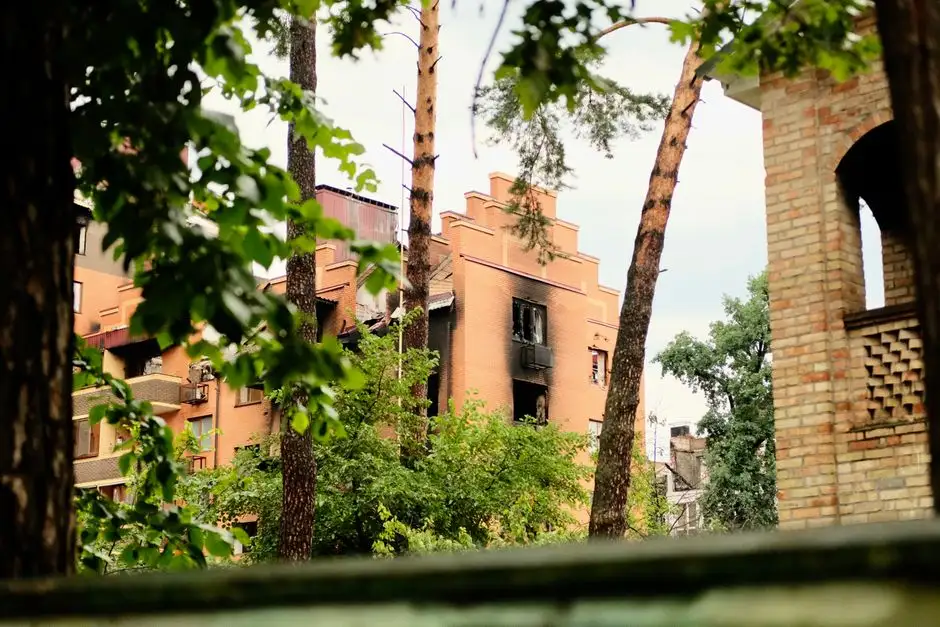 Smoke Damage RestorationSmoke damage restoration rebuilds what the fire and soot ruined, from drywall and insulation to paint and trim. We handle the repair side after remediation so you deal with one crew instead of three.Explore →
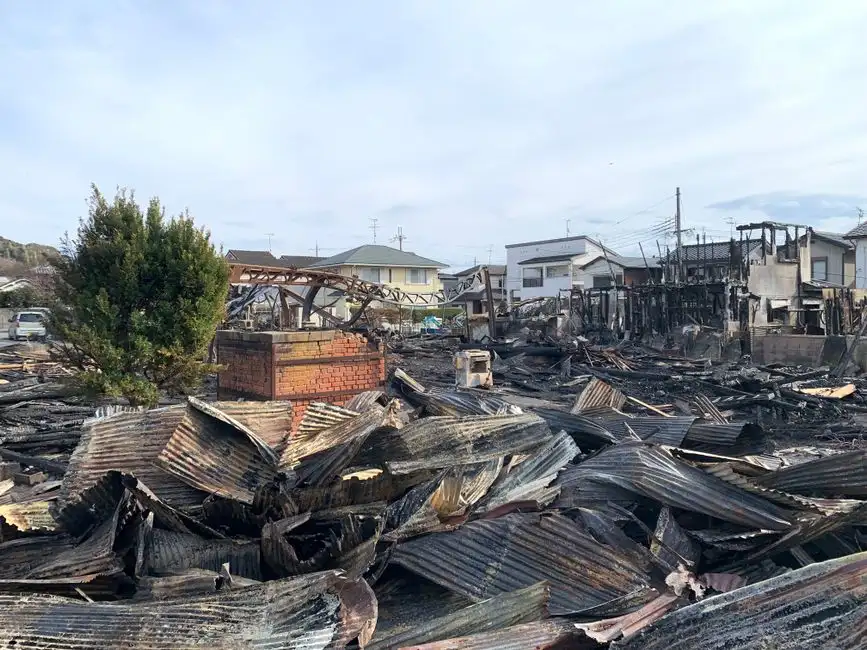 Fire Damage Clean UpFire damage clean up removes char, ash, and debris before remediation begins. On Peninsula jobs we haul out burned furniture and materials, then hand the structure to our smoke crew for deep cleaning.Explore →
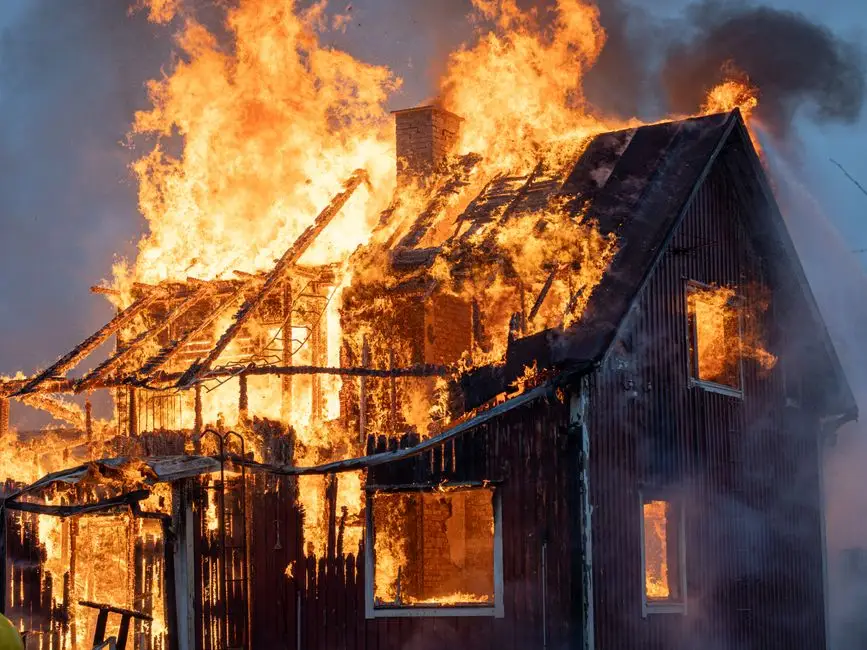 Emergency Fire Damage RestorationEmergency fire damage restoration is the first 24 hours: board-up, water extraction from firefighting, and stabilization. We answer 24/7 and typically arrive within 60 minutes anywhere on the Peninsula.Explore →
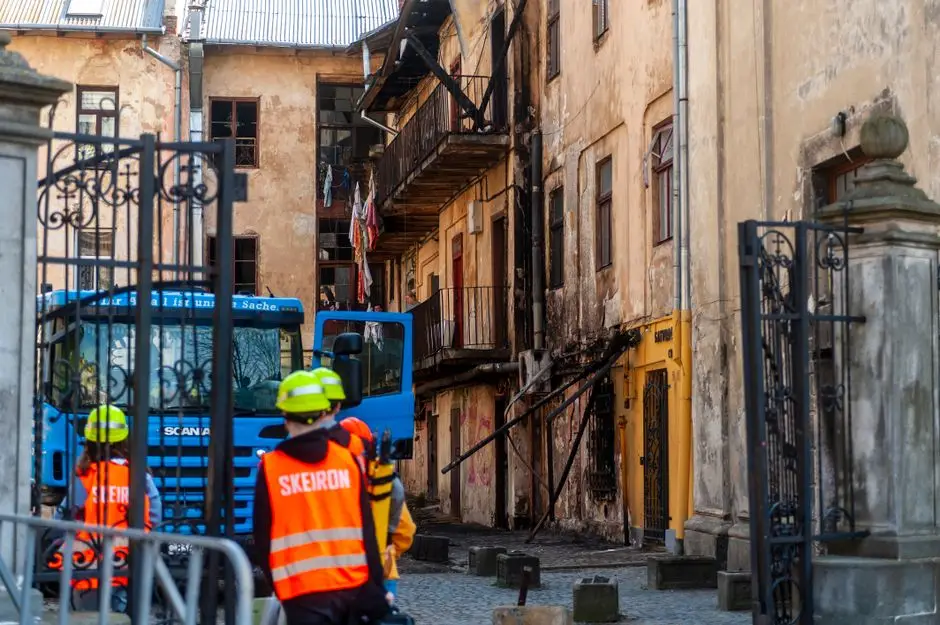 Structural Repair After FireStructural repair after fire replaces weakened framing, charred lumber, and damaged roofing shingles. We assess with a thermal imaging camera and moisture meter, then rebuild to code with CSLB-licensed carpenters.Explore →
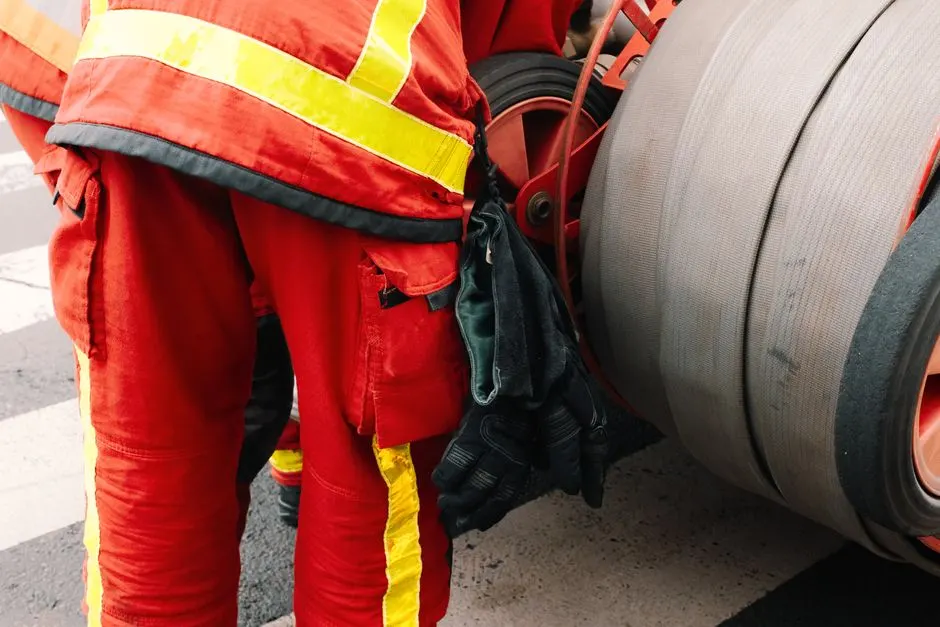 Odor Removal After FireOdor removal after fire targets the molecules that survive surface cleaning. We use hydroxyl generators and a smoke odor counteractant fogger in wall cavities and ductwork so the smell does not return when the HVAC runs.Explore →
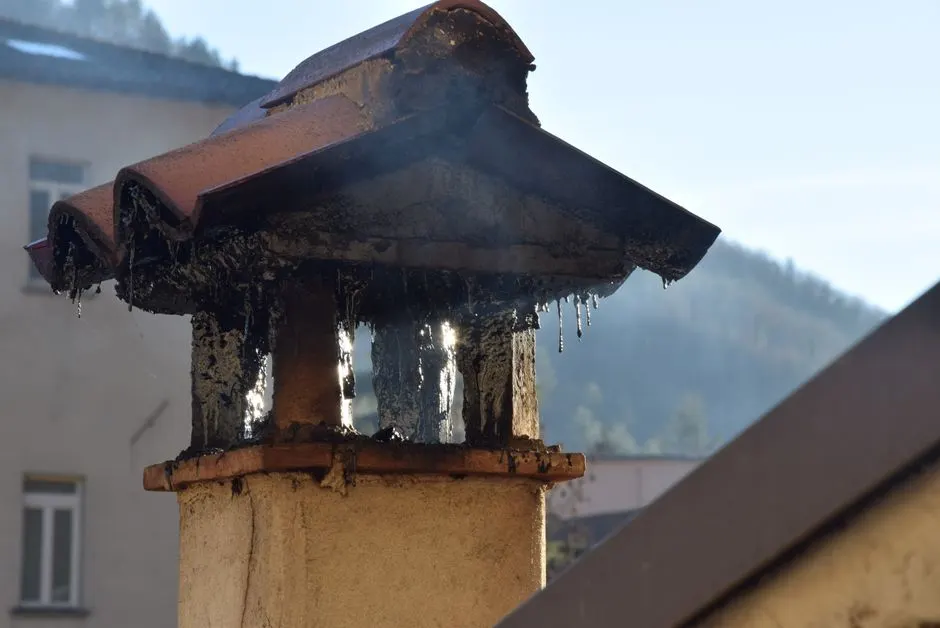 Soot RemovalSoot removal is the careful wipe-down of ceilings, walls, and contents with soot sponges and HEPA vacuums. We treat grease residue from kitchen fires separately because it needs a degreaser before the sponge touches the surface.Explore →
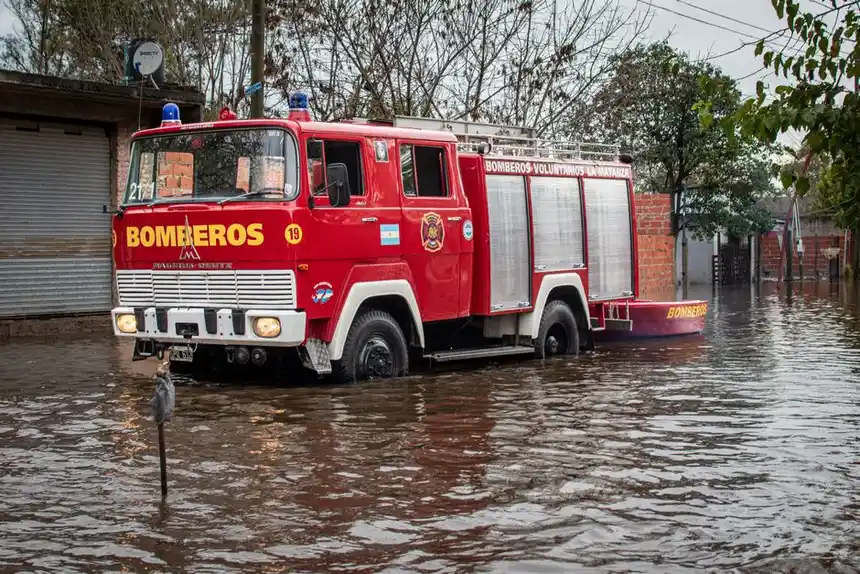 Fire and Flood RestorationFire and flood restoration handles the water damage left behind by firefighting hoses. We extract standing water, dry the structure with dehumidifiers, and treat for mold growth before it takes hold in insulation and drywall.Explore →
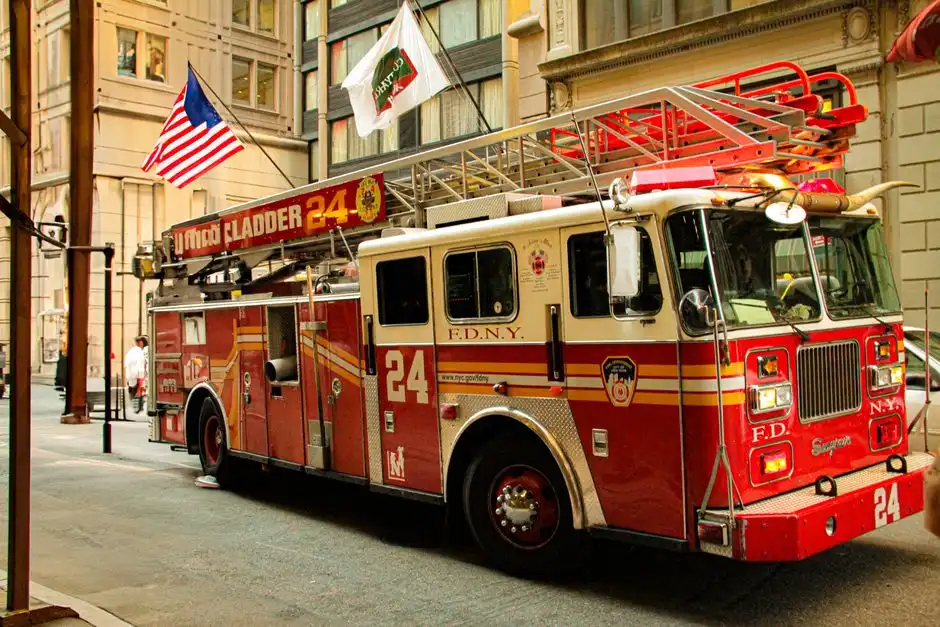 24 hour Fire Restoration24 hour fire restoration means we answer the phone at 2 a.m. and roll a crew. Board-up, water extraction, and smoke containment start the same night, which limits how far soot travels while the house sits open.Explore →
Smoke damage gets worse every hour it sits. Call (833) 929-6186 and we will schedule a same-day assessment, hand you a written scope, and start work before the odor settles into the walls. IICRC-certified, CSLB-licensed, and documented for your insurer.
Call Now (833) 929-6186 →Call (833) 929-6186 any time, day or night. A live person answers and can dispatch a crew to your Palos Verdes Estates, Rancho Palos Verdes, or Rolling Hills address within the hour. If you prefer email, send photos and your address to info@firedamagerestorationpalosverdespeninsula.com and we will respond the same day.