Smoke odor that comes back weeks later
We find the source with a thermal imaging camera, clean the ducts and cavities, run a hydroxyl generator, and seal charred framing with a shellac-based primer so the odor has nowhere left to come from.
Fire Damage Clean Up in PALOS VERDES PENINSULA, California starts with a walk-through that tells you what is salvageable and what is not. We pull wet drywall, bag charred debris, HEPA-vacuum soot off every surface and run air scrubbers until the smoke smell is gone. Whether a kitchen grease fire in Malaga Cove or an attic fire in Rolling Hills Estates, our fire cleanup PALOS VERDES PENINSULA California crew works the same day you call.
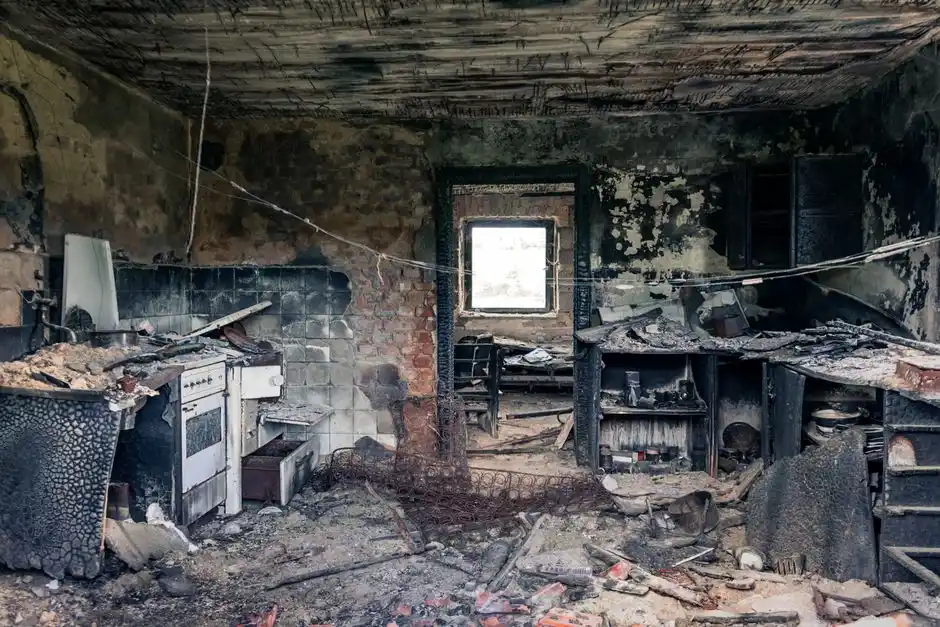
Fire Damage Clean Up in PALOS VERDES PENINSULA, California is the physical removal of soot, char, smoke residue and firefighting water from a structure so it can be repaired and reoccupied. It is not a wipe-down with a rag and a bottle of degreaser. Soot is acidic and etches glass, stainless and painted trim within days. Smoke pushes into wall cavities, attic insulation and HVAC ducts, and the water from a 1.75-inch attack line soaks framing that then needs drying to 15 percent moisture content or lower. We test surfaces with a moisture meter and a thermal imaging camera before anything gets sealed.
Most calls we take on The Hill start the same way: a kitchen fire that looked small until the cabinets were opened, or an electrical fire behind a wall that filled the whole floor with smoke. If you are searching for fire damage clean up near me in PALOS VERDES PENINSULA California at 2 a.m., we answer. Our fire damage cleanup services PALOS VERDES PENINSULA include debris removal, char-blocking primer on framing, soot sponges on walls and ceilings, and duct cleaning so the smell does not come back the first time the furnace kicks on.
The core scope covers everything needed to make the structure clean, dry and safe to repair. Reconstruction and content pack-out are quoted separately, and we tell you which is which before any work starts.
Windows, doors and roof openings get secured with plywood and tarps so the house is not exposed to weather or theft. We do this on the first visit, usually within two hours of arrival.
Charred drywall, insulation, lumber and contents are bagged and hauled out, and we cut back to clean material so the repair starts from a sound surface. Negative air machines keep soot from spreading during the teardown.
Walls, ceilings, cabinets and framing get HEPA-vacuumed, wiped with soot sponges and sealed with char-blocking primer. That primer is what stops the smoke smell from bleeding back through new paint.
Smoke damage to the HVAC system is easy to miss and expensive to ignore. We clean the ducts, replace HVAC filters and seal joints so the first heating cycle does not push soot and odor back into every room.
Air scrubbers, a hydroxyl generator and a smoke odor counteractant fogger run until the odor is neutralized at the source, not masked. We test with the house closed up before we call the job finished.
Firefighting water gets extracted and the framing is dried with dehumidifiers and air movers until a moisture meter reads under 15 percent. That step is what prevents mold growth after fire and water damage.
We secure the structure first: plywood over broken windows, tarp over roof damage, and a lock on any door the fire crews forced. This usually happens within the first two hours of arrival so the house is not open to weather or theft overnight.
A lead technician walks every room with a thermal imaging camera and moisture meter, marks char and smoke-affected areas, and photographs everything for the insurance file. You get a written scope the same day showing what is being removed and what is being cleaned.
We bag and haul out charred drywall, insulation, lumber and contents, then cut back to clean material. Negative air machines and HEPA vacuums run the whole time so soot does not migrate into rooms the fire never touched.
Walls, ceilings, cabinets and framing get HEPA-vacuumed, wiped with soot sponges, and sealed with char-blocking primer. Air scrubbers and a hydroxyl generator run for 24 to 72 hours depending on how far the smoke traveled through the HVAC system.
We re-meter the framing, do a smell test with the house closed up, and walk you through the finished work room by room. If reconstruction is needed, we hand the file to your contractor or handle the structural repair after fire ourselves.
Purpose-built equipment, used by trained technicians — so the job is done accurately the first time.
Finds hidden hot spots, char behind walls and the path smoke took through cavities, so we clean the right areas instead of guessing.
Lifts loose soot and fine smoke particles off surfaces without blowing them back into the air. Every cleaning pass starts with HEPA vacuuming.
Filters the air and keeps soot from migrating into rooms the fire never touched. We run them during demolition and for the full deodorization cycle.
Neutralizes smoke odor at the molecular level. Hydroxyl units run in occupied-adjacent spaces; ozone is used only in sealed, unoccupied rooms.
Tracks framing moisture after firefighting water and dries it to under 15 percent, which is the line where mold growth after fire and water damage stops.
Reaches cavities, ductwork and upholstery that wiping cannot. It is the last step before the final smell test with the house closed up.
A grease fire scorched the cabinets and hood and left a sticky soot film across the kitchen ceiling and the adjoining dining room. The smoke had traveled into the HVAC return, and the house smelled like burned oil two weeks later.
We degreased and cleaned every surface, replaced the HVAC filters, cleaned the ducts and ran air scrubbers for 48 hours. The final smell test with the house closed up came back clean, and the kitchen was ready for paint in four days.
Old wiring and a recessed light buried in loose-fill insulation started a fire that charred two rafters and contaminated the entire attic with smoke. The bedrooms below smelled of smoke every time the heater ran.
We removed the insulation, cut out and sealed the charred framing with char-blocking primer, cleaned the roof deck and cleaned the ducts. Moisture readings stayed under 15 percent throughout, and the first heating cycle after the job produced no odor.
A fire behind a bedroom wall burned a small section of framing but filled the floor with smoke. The visible damage was minor, and the homeowner was ready to paint over it until the smell returned a week later.
We traced the smoke path through the wall cavities and closets with a thermal imaging camera, cut out the char, sealed the framing and treated the soft contents. The room passed a closed-house smell test, and the repair started from clean, sealed material.
Most of the damage we see after a fire is not from the flame. It is from soot, smoke and water that were not handled fast enough. Here is what we run into and how we fix it.
Ask a pro →We find the source with a thermal imaging camera, clean the ducts and cavities, run a hydroxyl generator, and seal charred framing with a shellac-based primer so the odor has nowhere left to come from.
We HEPA-vacuum the loose residue first, then lift the rest with dry soot sponges and a pH-correct cleaner. Painted surfaces get sealed with char-blocking primer before any new paint goes on.
We extract standing water, set dehumidifiers and air movers, and meter the framing daily until it reads under 15 percent. Drying is documented for your insurance file.
We remove the contaminated insulation, clean and seal the framing and roof deck, and check for char that is easy to miss around recessed lights and old wiring.
Most residential fire cleanup jobs here run $3,500 to $18,000 in 2026, with whole-house losses going higher. A single-room kitchen fire with light soot is usually on the low end; an attic fire with contaminated insulation and HVAC smoke damage sits at the top. We give you a written scope before demolition so you know what the number covers.
We do, and we are based on the Peninsula rather than dispatched from a call center. Our crews cover Palos Verdes Estates, Rancho Palos Verdes, Rolling Hills, Rolling Hills Estates, Lunada Bay and Malaga Cove. Call (833) 929-6186 and a technician who has worked this hill will pick up or call you back within the hour.
It includes board-up, debris and char removal, HEPA vacuuming and soot sponge cleaning of walls and ceilings, HVAC duct cleaning, deodorization with air scrubbers and a hydroxyl generator, and char-blocking primer on exposed framing. Structural repair after fire and content pack-out are separate scopes we can quote on the same visit.
A single room takes three to five days from board-up to final walk-through. A whole-floor loss with HVAC smoke damage runs two to three weeks, mostly because deodorization and drying cannot be rushed. Reconstruction, if you need it, adds time on top, and we tell you that timeline up front instead of at the end.
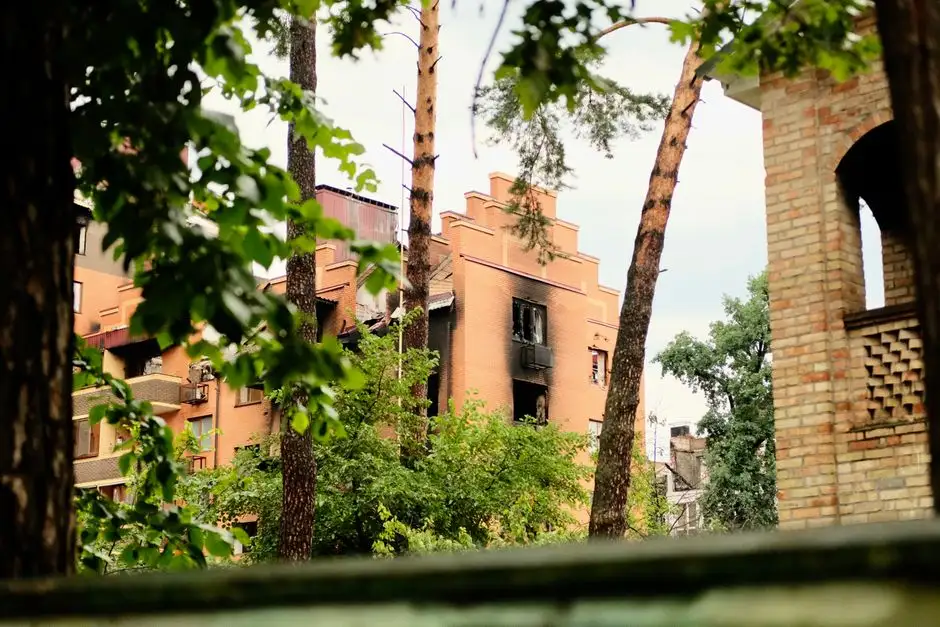 Smoke Damage RestorationSmoke travels farther than flame, and the residue it leaves in closets and cabinets needs its own cleaning pass. We handle smoke damage restoration alongside the fire cleanup so the whole house smells right, not just the burned room.Explore →
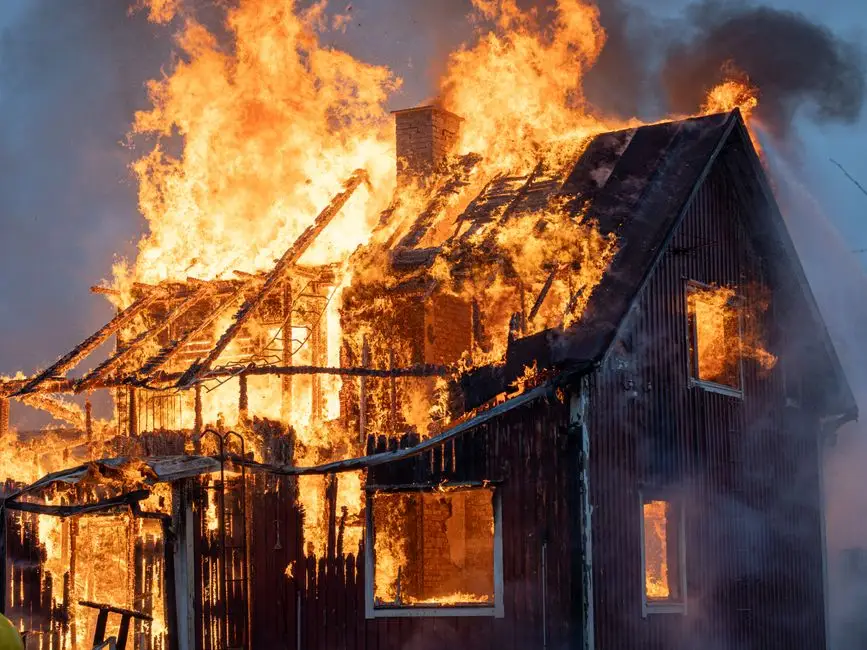 Emergency Fire Damage RestorationWhen the fire is out but the roof is open, emergency fire damage restoration gets board-up and water extraction started the same day. We tarp, secure and dry so the structure is not lost to weather while the claim is being processed.Explore →
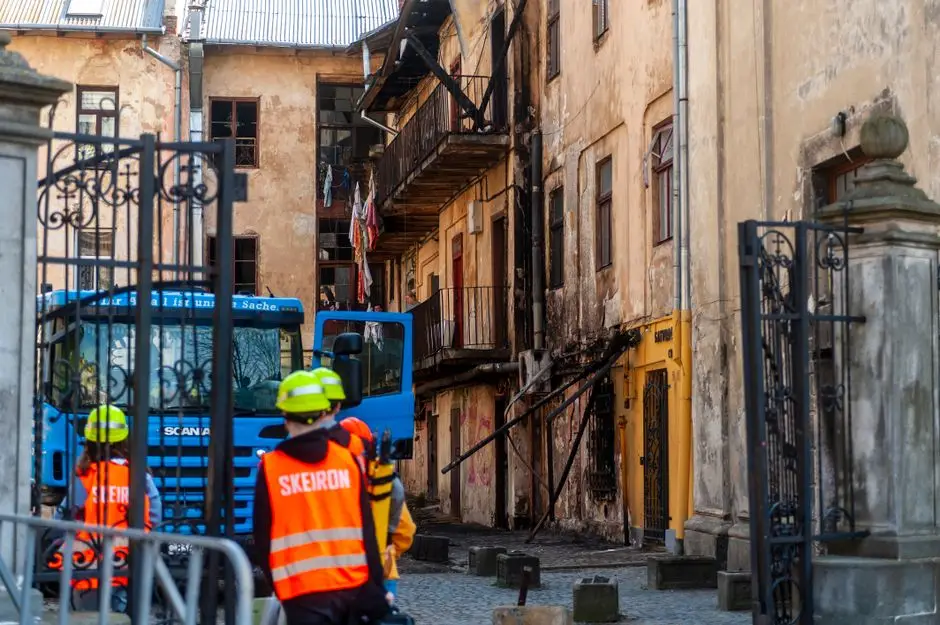 Structural Repair After FireOnce the char is cut out and the framing is sealed, structural repair after fire puts the house back together: new drywall, insulation, paint and trim. We can hand the file to your contractor or run the repair ourselves under one scope.Explore →
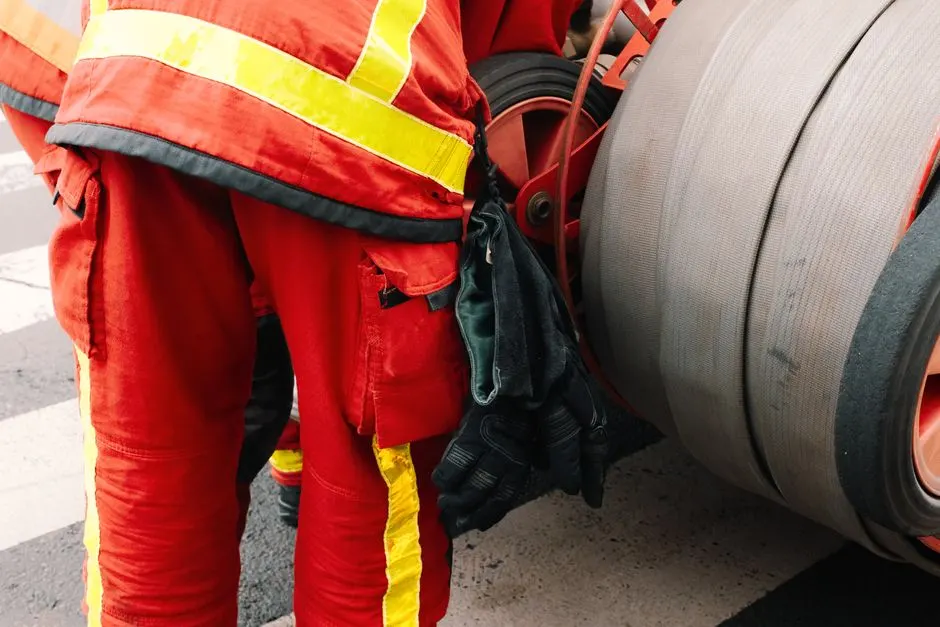 Odor Removal After FireSmoke odor lingering after fire is the complaint we hear most, and it is usually coming from HVAC ducts or attic insulation. Odor removal after fire pairs duct cleaning with hydroxyl and ozone treatment and a fogger to neutralize the source.Explore →
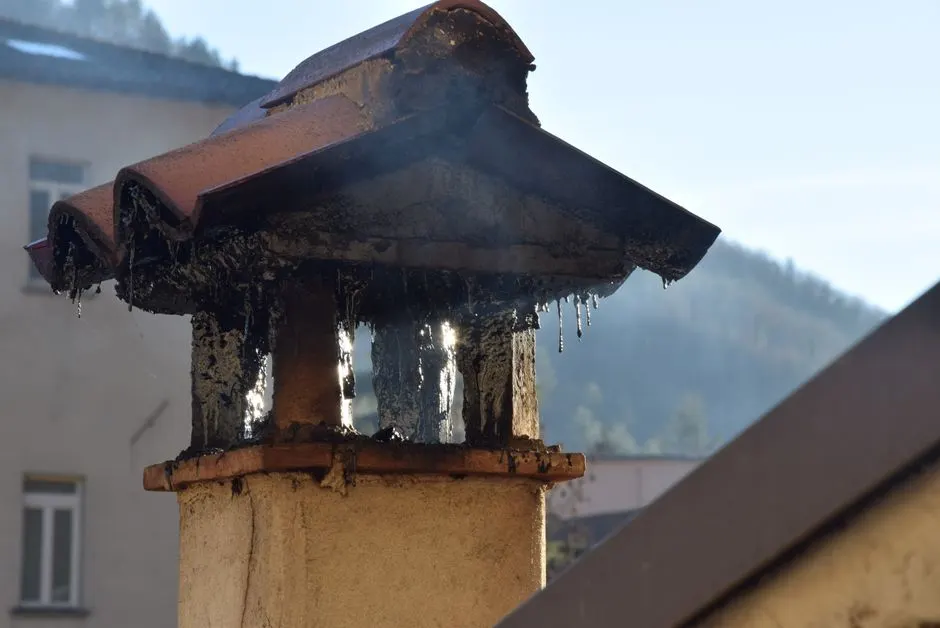 Soot RemovalSoot is acidic and etches glass, brass and painted trim within days. Soot removal uses dry soot sponges first, then a pH-correct cleaner, so the residue lifts off instead of being smeared deeper into the surface.Explore →
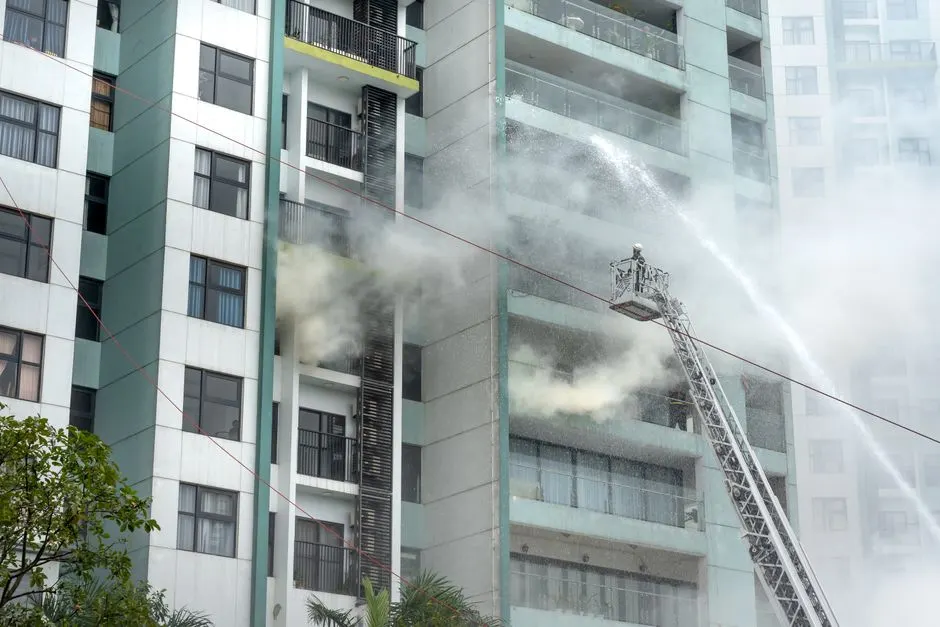 Smoke RemediationSmoke remediation goes after the fine particles that settle into insulation, upholstery and wall cavities. We combine HEPA vacuuming, air scrubbing and sealing to bring particle counts down to a level you can actually live with.Explore →
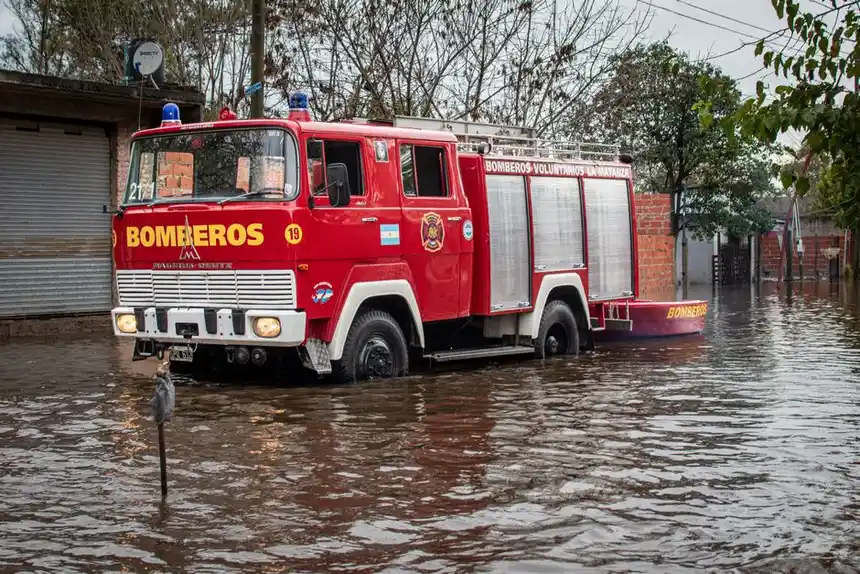 Fire and Flood RestorationFires get put out with water, and that water has to be dried before mold sets in. Fire and flood restoration handles both losses in one scope: extraction and drying first, then soot and smoke cleanup once the framing is dry.Explore →
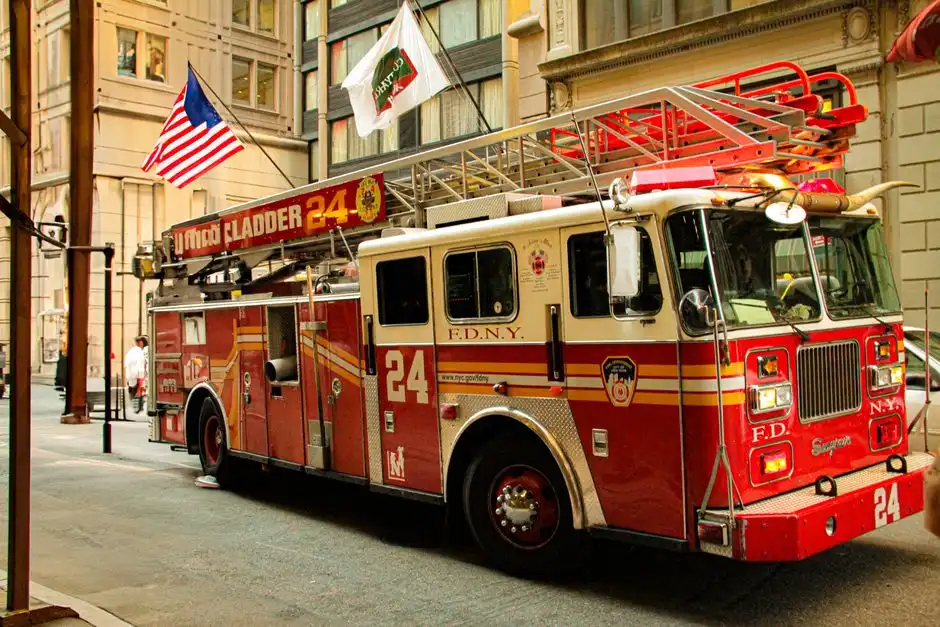 24 hour Fire RestorationA fire at 11 p.m. should not wait until Monday. Our 24 hour fire restoration line reaches a live technician who can dispatch a board-up crew overnight so the house is not sitting open until morning.Explore →
One call starts the board-up, the scope and the cleanup. We are licensed, insured and local to the Peninsula, and we answer the phone around the clock. Call now and a technician will tell you what to do before we arrive.
Call Now (833) 929-6186 →Call (833) 929-6186 any time, day or night. A live person answers and can dispatch a crew to your Palos Verdes Estates, Rancho Palos Verdes, or Rolling Hills address within the hour. If you prefer email, send photos and your address to info@firedamagerestorationpalosverdespeninsula.com and we will respond the same day.