Smoke odor lingering after fire in every room
We remove the porous material first, then run hydroxyl generators and a smoke odor counteractant fogger until air tests come back clean. Sealing comes last, after the source is gone.
Hoarding Cleanup After Fire in PALOS VERDES PENINSULA, California is the heavy-lift service that clears burned belongings, charred debris, and soot before structural repair can start. We handle packed rooms, blocked hallways, and attic storage that caught fire, then run air scrubbers and odor treatment until the house smells like a house again. Call (833) 929-6186 and we roll a crew the same day.
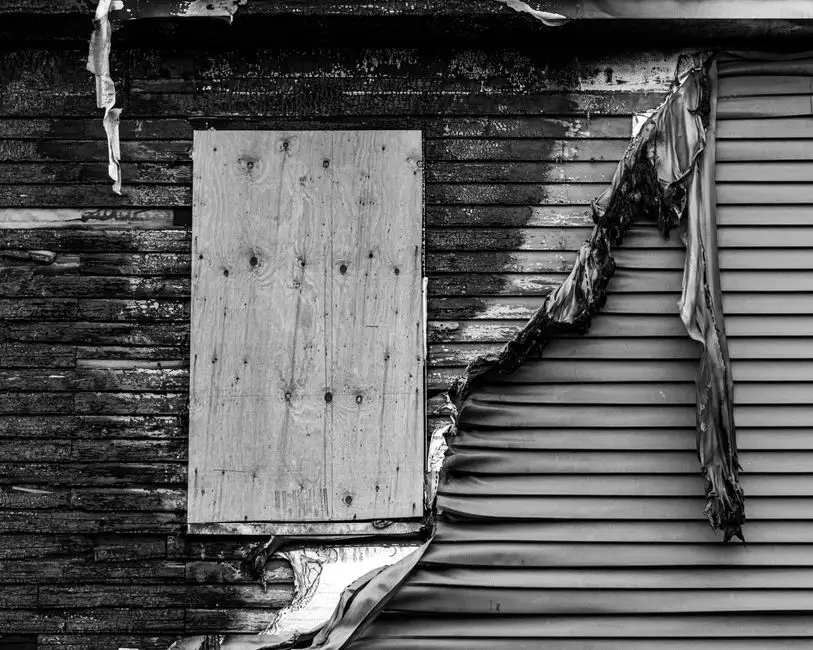
Hoarding Cleanup After Fire in PALOS VERDES PENINSULA, California is the controlled removal of burned and smoke-soaked belongings from a heavily packed home, followed by soot cleaning, debris hauling, and odor treatment. Fire behaves differently in a hoarded house: fuel loads are dense, hallways are blocked, and flames travel through stacked paper, boxes, and furniture faster than in a normal room. Our crew sorts salvageable items from hazardous char, bags debris in the room, and keeps a clear path to the door so hauling never re-contaminates clean areas.
Most calls we take in Palos Verdes Estates and Rancho Palos Verdes start the same way: a kitchen or electrical fire that smoldered inside stored material for 20 to 40 minutes before anyone could reach it. By then, soot has settled on every surface and smoke has pushed into the HVAC system. That is when homeowners search for hoarding fire damage cleanup PALOS VERDES PENINSULA California and need a crew that can work fast without judging the condition of the house.
The core scope is debris removal, soot cleaning, and odor treatment, plus the documentation your insurance claim needs. Add-ons like structural repair and content restoration are quoted separately once the house is clear and we can see what the fire actually damaged.
We bag and haul charred contents, burned furniture, and contaminated insulation, then dispose of it to California requirements. Hazardous material is separated from ordinary debris. A packed three-bedroom typically produces 6 to 12 truckloads.
Walls, ceilings, framing, and fixtures get HEPA-vacuumed and wiped with soot sponges. We use a dry-cleaning method on painted surfaces so residue lifts instead of smearing. Metal fixtures get treated before corrosion pits them.
We run hydroxyl generators or an ozone generator, depending on whether the house is occupied, then fog with a smoke odor counteractant. Treatment runs until the air test comes back clean, usually two to three passes over 48 hours.
Smoke damage to the HVAC system pushes soot through every duct. We swap HVAC filters, clean registers, and apply duct sealant where needed. This is the step that keeps odor from returning the first time the heat kicks on.
Every room gets photos, item counts, and moisture meter readings before removal. We format the file for adjusters and walk the house with them if they come out. That documentation is what turns a slow claim into an approved one.
A crew chief walks the house with you, notes fire origin, blocked exits, and any structural char, and takes thermal imaging camera readings on walls near the burn. We check for water damage from firefighting before anything else. The walk-through takes 30 to 45 minutes and you get a scope and price the same day.
We set negative air machines and HEPA filters at the work zone so soot and dust do not migrate into clean rooms. Plastic sheeting seals doorways and HVAC registers. Air scrubbers run continuously during removal, and we swap HVAC filters at the end of each shift so the system never recirculates smoke.
Crew members sort contents into keep, clean, and dispose piles, photographing each room before removal. Charred debris goes into heavy bags and out the one-way route. A typical packed three-bedroom takes two to four days to clear, depending on how much of the hoard is salvageable.
Walls, ceilings, and framing get HEPA-vacuumed first, then wiped with soot sponges and a dry-cleaning method that lifts residue without smearing it. We use a moisture meter to confirm framing is dry before any sealant goes on. Char-blocking primer and duct sealant go on last to lock remaining odor.
We run an ozone generator or hydroxyl generator, depending on occupancy, then fog with a smoke odor counteractant. The final walk-through checks air quality room by room and confirms the HVAC system is clean. You get a written summary and photos for your insurance file before we pull the containment.
Purpose-built equipment, used by trained technicians — so the job is done accurately the first time.
Finds hidden hot spots and moisture behind walls before we open anything up. It also confirms framing is dry before sealant goes on.
Keeps soot and dust inside the work zone. Negative pressure stops contamination from migrating into clean rooms during hauling.
Lifts fine smoke particles from walls, ceilings, and framing without blowing them back into the air. It is the first pass on every surface.
Kills smoke odor at the molecular level. We choose hydroxyl for occupied homes and ozone for vacant ones.
Reads water content in framing after firefighting and pulls the moisture out before mold growth after fire and water damage starts.
Reaches cavities and porous surfaces that wiping cannot. It is the final odor pass after the source material is removed.
A kitchen fire caught stacked paper and boxes on the counters and spread soot across the ceiling and cabinets. The doorway was blocked, and firefighting water had soaked the floor and lower cabinets.
Crews cleared 8 truckloads of burned material over three days, degreased and sponged the cabinets, and ran air scrubbers throughout. Moisture readings came back dry on day five, and the odor test passed on the second treatment pass.
An attic fire started in stored boxes near the wiring and contaminated the insulation across half the attic. Smoke pushed down into the upstairs bedrooms through the HVAC system.
We removed the contaminated insulation and charred boxes, treated the rafters, and sealed the framing with char-blocking primer. HVAC filters and registers were cleaned, and the attic was clear and dry in four days.
An electrical fire in a packed garage burned stored material and left standing water from the fire hoses. Charred wiring debris was mixed into the hoard, and the odor had reached the house.
We killed power to the damaged circuit, extracted the water, and set drying equipment before hauling. Six truckloads came out, the wiring damage was documented for the claim, and the garage dried without mold.
A hoarded house holds more fuel, more hidden hazards, and more odor than a normal fire job. These are the problems we see most on the Peninsula and how we handle them.
Ask a pro →We remove the porous material first, then run hydroxyl generators and a smoke odor counteractant fogger until air tests come back clean. Sealing comes last, after the source is gone.
Our crew establishes a one-way haul route and clears the doorway first. We brace or remove unstable stacks before anyone else walks the house, and we keep the route marked until the job is done.
We extract standing water, set air movers and a dehumidifier, and take moisture meter readings on framing. Contents come out first so the structure can actually dry.
Technicians work in PPE with negative air machines and HEPA vacuums running. Hazardous material is bagged separately and disposed of to California requirements.
Most hoarding cleanup after fire jobs in this area run $3,500 to $12,000 in 2026, depending on square footage, how much of the hoard is salvageable, and whether biohazards are present. A single packed bedroom with light smoke damage sits near the low end. A full house with attic fire insulation contamination and water damage from firefighting pushes toward the top. We give you a written scope and price after the walk-through, before any work starts.
Our crew does, and we are based on the Peninsula, not dispatched from Los Angeles. We cover Palos Verdes Estates, Rancho Palos Verdes, Rolling Hills, and the surrounding neighborhoods with same-day response. Call (833) 929-6186 and a crew chief will set a walk-through time. We handle the hauling, soot cleaning, odor treatment, and insurance documentation in one job.
A packed three-bedroom house typically takes two to four days to clear, plus one to two days for soot cleaning and odor treatment. Severe cases with structural char or water damage from firefighting can run seven to ten days before the house is ready for repairs. We give you a day-by-day schedule after the assessment, and the crew chief updates you each evening on progress.
Yes. Hoarded homes often contain spoiled food, pest waste, and medical waste, and fire makes those hazards worse. Our technicians use PPE, HEPA vacuums, and negative air machines to remove biohazards safely, and we follow OSHA 10/30 protocols for contaminated debris. We separate hazardous material from ordinary char so disposal meets California requirements. If asbestos-containing material is suspected in a pre-1980s home, we handle it under our asbestos certification.
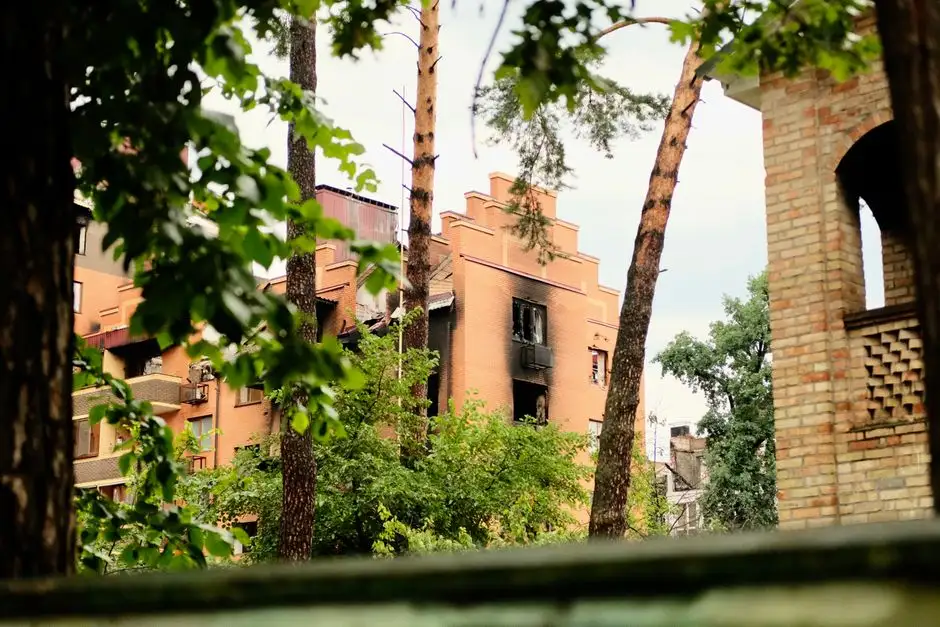 Smoke Damage RestorationOnce the hoard is cleared, smoke damage restoration seals framing and ductwork so odor does not return. We run this step on nearly every hoarding fire job in PALOS VERDES PENINSULA, using air scrubbers and duct sealant before the drywall goes back up.Explore →
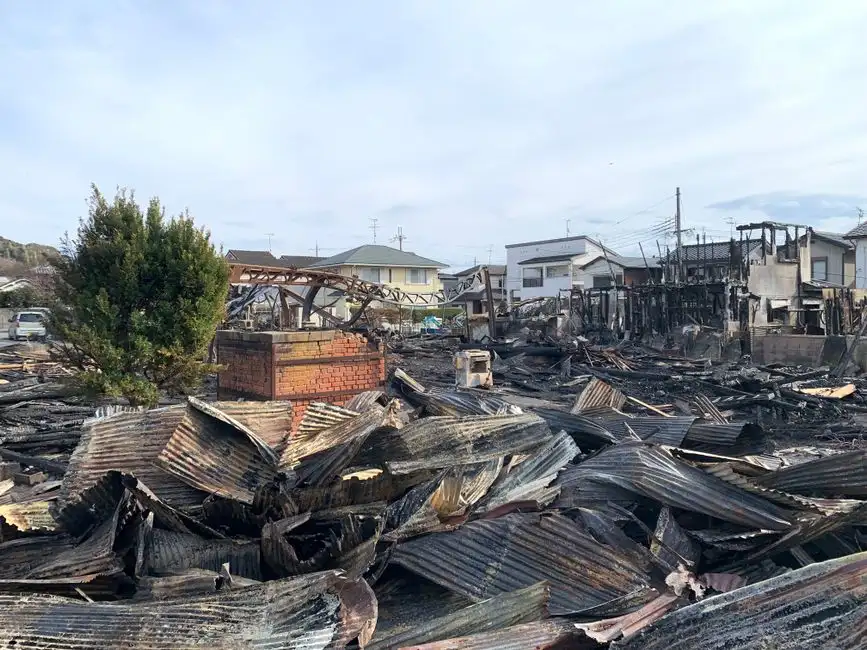 Fire Damage Clean UpFire damage clean up covers the char removal and surface cleaning that follows the initial haul. For hoarded homes, we sequence it right after debris removal so soot sponges and HEPA vacuums reach the walls before contents go back in.Explore →
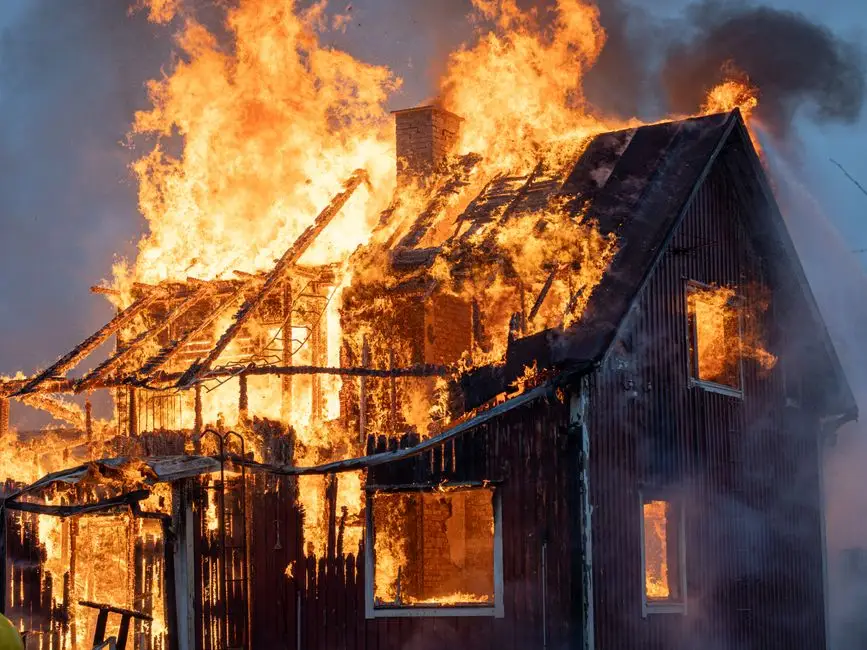 Emergency Fire Damage RestorationEmergency fire damage restoration is the 24/7 response when a fire is still smoldering or water is standing. We board up, tarp, and start drying the same day, which matters in a packed house where mold can start within 48 hours.Explore →
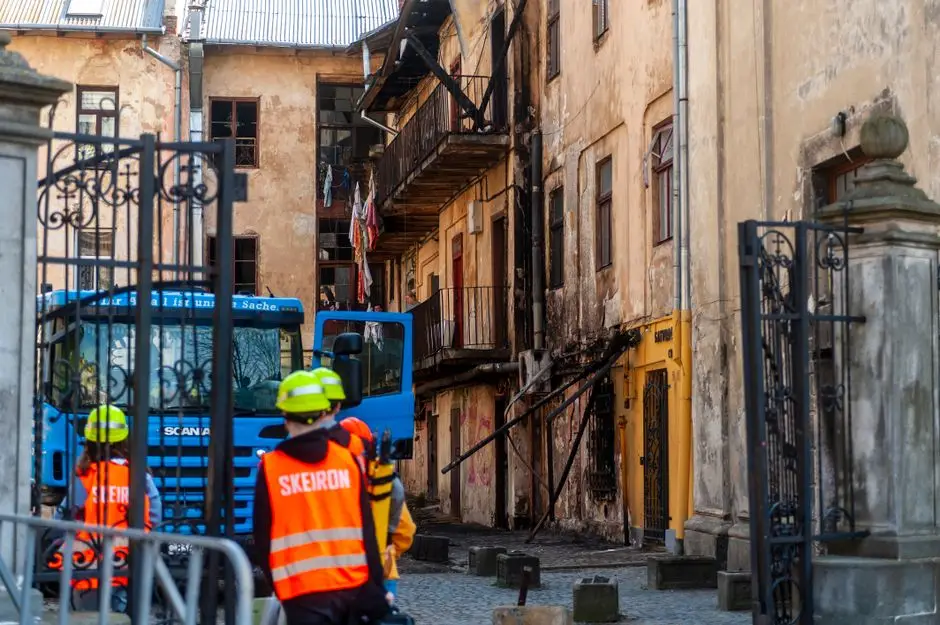 Structural Repair After FireStructural repair after fire rebuilds the framing, drywall, and roofing that the fire weakened. We hand off a clean, dry, documented shell so your contractor is not working around stored contents or hidden smoke residue.Explore →
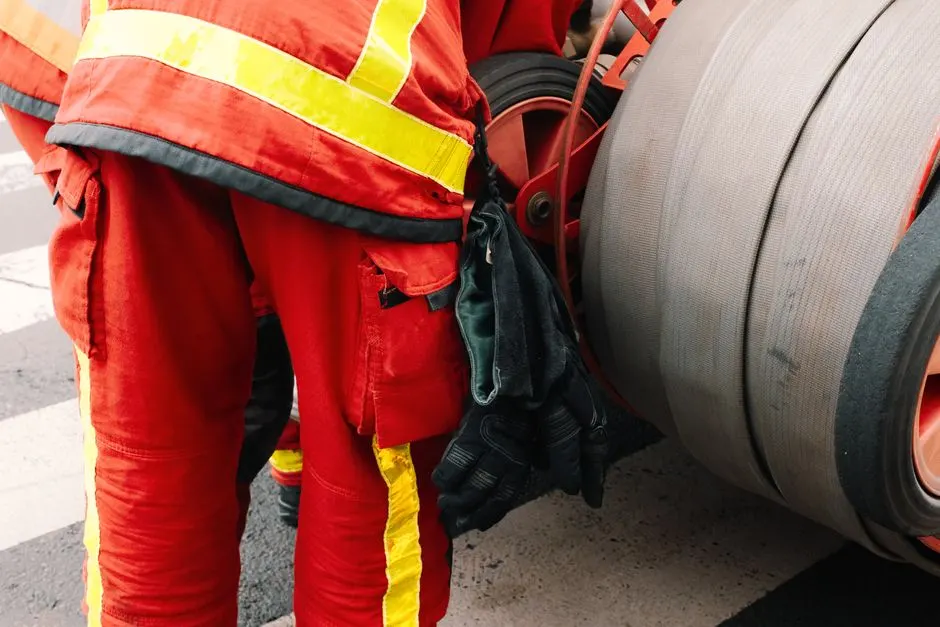 Odor Removal After FireOdor removal after fire uses hydroxyl generators, ozone, and fogging to kill smoke smell at the source. In hoarded homes, odor removal only works after the porous material is gone, which is why we sequence it last.Explore →
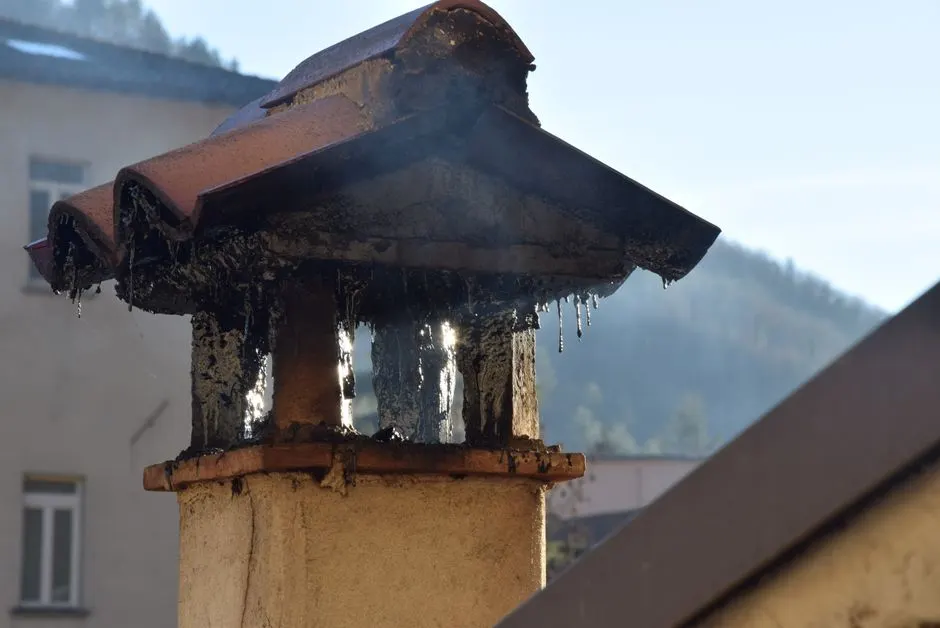 Soot RemovalSoot removal lifts the acidic residue that stains walls and pits metal. We use soot sponges and HEPA vacuums on every reachable surface, then seal with char-blocking primer so the staining stops.Explore →
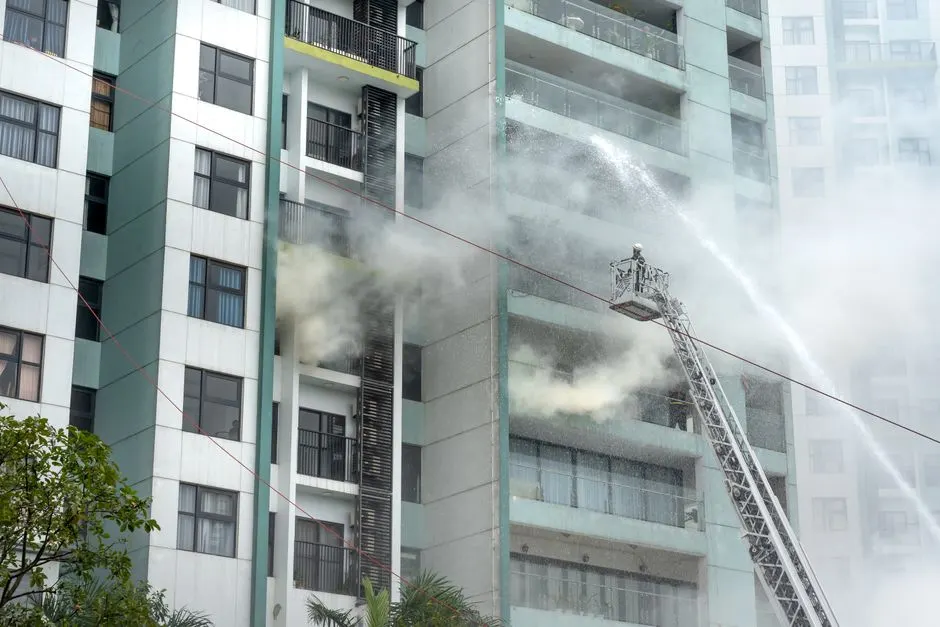 Smoke RemediationSmoke remediation targets the fine particles that settle into insulation and HVAC ducts. We swap HVAC filters, clean registers, and run air scrubbers until readings come back clean, which is the step most hoarding jobs skip.Explore →
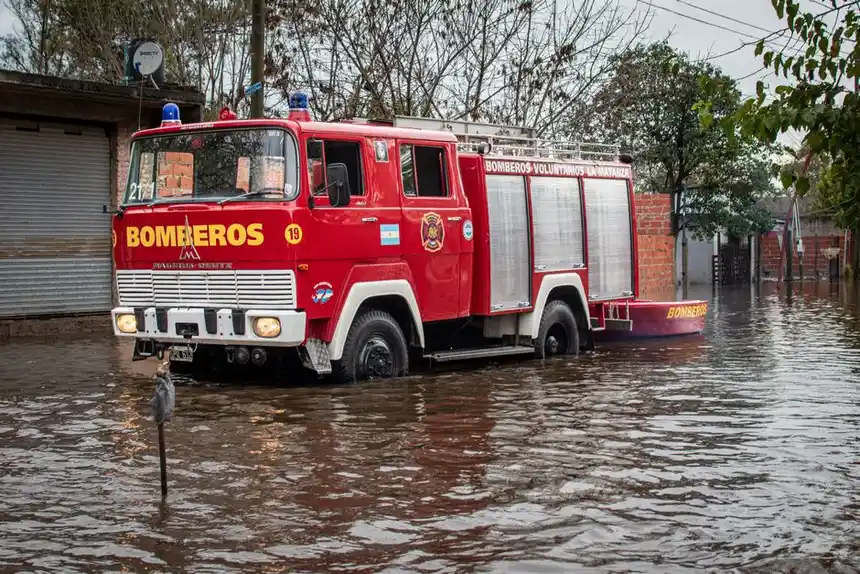 Fire and Flood RestorationFire and flood restoration handles the one-two punch of flames and firefighting water. Hoarded homes soak up water in stored paper and fabric, so we extract and dry before mold growth after fire and water damage sets in.Explore →
Smoke residue and standing water get worse every hour. We answer 24/7, give you a written scope the same day, and start hauling as soon as you approve it. Call (833) 929-6186 and a crew chief will be at your door.
Call Now (833) 929-6186 →Call (833) 929-6186 any time, day or night. A live person answers and can dispatch a crew to your Palos Verdes Estates, Rancho Palos Verdes, or Rolling Hills address within the hour. If you prefer email, send photos and your address to info@firedamagerestorationpalosverdespeninsula.com and we will respond the same day.