How to remove soot from walls after a small kitchen fire
A small kitchen fire leaves stubborn soot on walls that gets worse if you scrub too soon. Here's the safe, step-by-step method we use in Palos Verdes Peninsula.
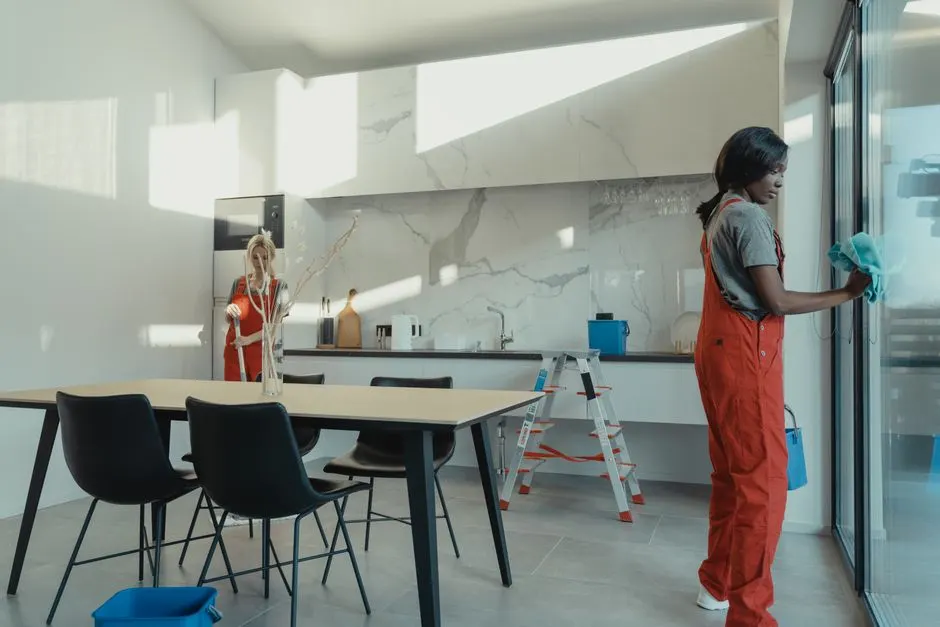
To remove soot from walls after a small kitchen fire, start by dry-vacuuming loose residue with a HEPA vacuum, then wipe with a chemical sponge before using a degreaser made for smoke residue. Work top to bottom, rinse with clean water, and dry the walls within 24 hours to prevent staining and odor. This guide walks you through the exact sequence we use in PALOS VERDES PENINSULA California, from safety gear to final rinse, plus what it costs and when DIY stops being the right call.
Why soot clings to walls after a kitchen fire
Soot clings to walls after a kitchen fire because the smoke carries tiny carbon particles and vaporized cooking oils that cool and stick to surfaces as a greasy, acidic film. That film bonds to paint and drywall within hours, and it keeps eating into the finish until it is neutralized.
Most small kitchen fires produce two kinds of residue. Dry soot comes from burned paper, wood, or fabric and looks like black powder. Wet soot comes from burning grease and protein, and it feels tacky or oily to the touch. Wet soot is the harder one to clean, and it is the type you get after a stovetop flare-up or a pan fire.
In homes across the Peninsula, we see wet soot most often in Fire Damage Restoration in Palos Verdes Estates, where older kitchens often have painted plaster walls that absorb residue faster than modern drywall. The longer that residue sits, the deeper it soaks in, and the more likely it is to leave a permanent shadow after cleaning.
One more thing: soot is acidic. Left on painted walls for more than a few days, it can etch the paint and cause yellow-brown staining that no amount of scrubbing will reverse. That is why timing matters more than technique.
What you need before you start
Before you touch a wall, gather the right supplies and put on protective gear. Soot particles are small enough to reach deep into your lungs, and the residue can irritate skin and eyes.
- N95 or P100 respirator - a dust mask is not enough for fine soot.
- Nitrile gloves and safety glasses - soot stains skin and stings eyes.
- HEPA vacuum - a shop vac with a HEPA filter, not a standard household vacuum.
- Chemical sponges (also called soot sponges) - dry sponges that lift loose residue without smearing.
- Degreaser or TSP substitute - a cleaner made for smoke and grease residue.
- Two buckets, microfiber cloths, and clean water - one bucket for cleaner, one for rinse water.
- Plastic sheeting and painter's tape - to protect floors and doorways.
Set up containment before you start. Tape plastic over the floor and any nearby furniture, and close off the kitchen from the rest of the house with a sheet or plastic barrier. Soot spreads easily, and one wrong move can push it into rooms that were clean.
If your kitchen fire involved more than a stovetop flare-up, or if smoke reached the attic or HVAC system, stop here and call for Kitchen Fire Cleanup in PALOS VERDES PENINSULA, California. Cleaning visible walls will not fix hidden residue in ducts, insulation, or cabinet interiors.
Step-by-step: how to remove soot from walls after a small kitchen fire in PALOS VERDES PENINSULA California
Removing soot from walls after a small kitchen fire in PALOS VERDES PENINSULA California follows a specific order: dry removal first, then chemical sponging, then wet cleaning, then rinsing. Skipping a step or working out of order smears the residue and makes the stain worse.
Step 1: Ventilate and contain the area
Open windows and run a fan pushing air out of the kitchen, not into the rest of the house. Tape plastic over doorways and floors. This keeps soot from spreading while you work.
Step 2: Dry-vacuum loose residue
Use a HEPA vacuum with a brush attachment and go over the walls from top to bottom. Do not press hard. The goal is to lift loose powder before it gets wet and turns into a paste.
Step 3: Wipe with a chemical sponge
Chemical sponges are designed to grab soot without smearing it. Wipe in straight lines, top to bottom, and turn or replace the sponge as it loads up. One sponge covers roughly 10 to 15 square feet before it needs to be replaced.
Step 4: Clean with a degreaser
Mix a degreaser or TSP substitute according to the label, usually one to two tablespoons per gallon of warm water. Wipe the walls with a microfiber cloth dampened, not soaked, in the solution. Work in small sections, about 3 by 3 feet at a time, and rinse your cloth often.
Step 5: Rinse with clean water
Go back over the same sections with a cloth dampened in clean water. This removes leftover cleaner and stops it from attracting new dirt. Change the rinse water every few sections.
Step 6: Dry the walls completely
Run fans and a dehumidifier until the walls are dry to the touch, usually 12 to 24 hours. Trapped moisture under paint leads to bubbling and mold, especially in coastal homes where humidity runs higher.
If the paint starts to bubble, peel, or chalk during cleaning, stop. That is a sign the residue has already damaged the finish, and repainting over it will not hold. Our team handles Soot Removal in PALOS VERDES PENINSULA, California for walls that are past the DIY stage, including neutralizing the surface before any primer goes on.
What removes soot from walls in PALOS VERDES PENINSULA
What removes soot from walls in PALOS VERDES PENINSULA is a combination of dry removal and a degreaser made for smoke residue, not a single product. No one cleaner does the whole job, and the wrong product can set the stain.
Here is what works, in order of aggressiveness:
- Chemical sponges - for dry, powdery soot and light film.
- Degreaser or TSP substitute - for greasy wet soot from cooking fires.
- Alkaline wall cleaner - for painted surfaces that have a heavier film.
- Specialty soot erasers - for small touch-ups after the main cleaning.
What does not work: bleach, ammonia, and standard all-purpose sprays. Bleach does not neutralize soot, and it can react with residue to leave a yellow stain. Ammonia can damage paint and is dangerous to mix with other cleaners.
For homes in Fire Damage Restoration in Rancho Palos Verdes, we often deal with stucco and plaster walls that hold residue differently than drywall. Plaster is porous, so it needs a gentler cleaner and more rinse cycles. Drywall with flat paint is more forgiving but shows stains faster.
Common mistakes that make soot damage worse
The most common mistake after a small kitchen fire is scrubbing wet soot before vacuuming it dry. That turns powder into a greasy paste that pushes deeper into the paint.
Other mistakes we see regularly:
- Using a regular vacuum. It blows fine soot back into the air and into the motor, and it can void the warranty.
- Cleaning bottom to top. Dirty water drips down and streaks walls you already cleaned.
- Over-wetting the walls. Too much water drives residue into drywall and causes bubbling and mold.
- Skipping the rinse. Leftover cleaner attracts dirt and leaves a haze.
- Painting over soot. Primer will not bond to a greasy surface, and the stain bleeds through within weeks.
- Ignoring the smell. If the kitchen still smells like smoke after cleaning, residue is trapped in cabinets, vents, or insulation.
If the odor lingers more than a few days, you are dealing with smoke that has soaked into materials. That calls for Odor Removal After Fire in PALOS VERDES PENINSULA, California, which uses thermal fogging and hydroxyl generators to neutralize the source rather than mask it.
When to call a professional for soot removal
Call a professional when soot covers more than about 100 square feet, when smoke reached rooms beyond the kitchen, or when the residue feels oily and does not come off with a chemical sponge. Those are signs the damage is deeper than surface cleaning can fix.
We also get calls when the fire was put out with a extinguisher. Dry chemical residue is corrosive and settles into every crack. It needs a different cleaning process than smoke soot, and it can pit metal and damage appliances if left too long.
Other situations that call for a pro:
- Smoke odor that returns after cleaning.
- Soot on ceilings, inside cabinets, or behind appliances.
- Any fire that involved electrical wiring or a range hood.
- Walls that are stained, blistered, or peeling after cleaning.
- Insurance involvement, where documentation matters as much as the cleaning.
Our team provides Fire Damage Clean Up in PALOS VERDES PENINSULA, California for homeowners who want the job done once, with the right equipment and a written scope for the insurance claim. We handle the cleaning, the odor, and any drywall or paint repair in one visit.
How much does soot removal cost in PALOS VERDES PENINSULA?
Soot removal in PALOS VERDES PENINSULA runs $300 to $1,200 for a small kitchen fire in 2026, with most single-room jobs landing between $450 and $800. The price depends on square footage, how long the residue sat, and whether odor treatment or repainting is needed.
Here is a rough breakdown of typical 2026 pricing in this area:
- Wall cleaning only, one kitchen: $300-$600.
- Wall and ceiling cleaning with odor treatment: $600-$1,000.
- Cleaning plus primer and paint: $900-$1,800.
- Cabinet interior and appliance cleaning: add $150-$400.
DIY supplies run $75 to $150 for a small job, but the risk is in the damage you cannot see. A botched cleaning can mean repainting the whole kitchen, which costs far more than professional soot removal.
If you are comparing options, ask for Fire Damage Restoration Near Me in PALOS VERDES PENINSULA, California and confirm the quote covers cleaning, odor, and any patching. A low quote that stops at wiping walls is not the same job.
Frequently Asked Questions
How do you remove soot from walls after a small kitchen fire in PALOS VERDES PENINSULA California?
Dry-vacuum loose soot with a HEPA vacuum, wipe with a chemical sponge, then clean with a degreaser and rinse with clean water. Dry the walls within 24 hours. For jobs over 100 square feet or lingering odor, call a professional soot removal company.
What removes soot from walls in PALOS VERDES PENINSULA?
Chemical sponges remove dry soot, and a degreaser or TSP substitute removes greasy residue. Bleach and ammonia do not work and can make staining worse. For heavy or oily soot, a professional alkaline cleaner is the safer choice.
Who does soot removal near me in PALOS VERDES PENINSULA?
Fire Damage Restoration Palos Verdes Peninsula handles soot removal, wall cleaning, and odor treatment across the Peninsula, including Palos Verdes Estates, Rancho Palos Verdes, and Rolling Hills. We provide a written scope for insurance and same-week scheduling.
Does soot removal near me clean painted walls in PALOS VERDES PENINSULA California?
Yes. Professional soot removal cleans painted walls using methods matched to the paint type, then neutralizes the surface so primer and paint bond properly. If the paint is blistered or stained through, we patch and repaint as part of the job.
How much does soot removal cost in PALOS VERDES PENINSULA?
Most small kitchen fire soot removal jobs cost $300 to $1,200 in 2026, with a typical range of $450 to $800. Cleaning plus repainting runs $900 to $1,800. Odor treatment and cabinet cleaning add $150 to $400.
Get help with Fire Damage Restoration in PALOS VERDES PENINSULA
If the soot is more than you want to handle, or if the smell keeps coming back, we can take it from here. Our team cleans the walls, neutralizes the residue, and gets the kitchen back to normal. Call Fire Damage Restoration Palos Verdes Peninsula at (833) 929-6186 to schedule an assessment.