How to clean up after a bedroom fire without spreading soot
Soot spreads faster than fire damage. Here's the exact order to clean a bedroom after a fire in Palos Verdes Peninsula without pushing soot into the rest of your home.
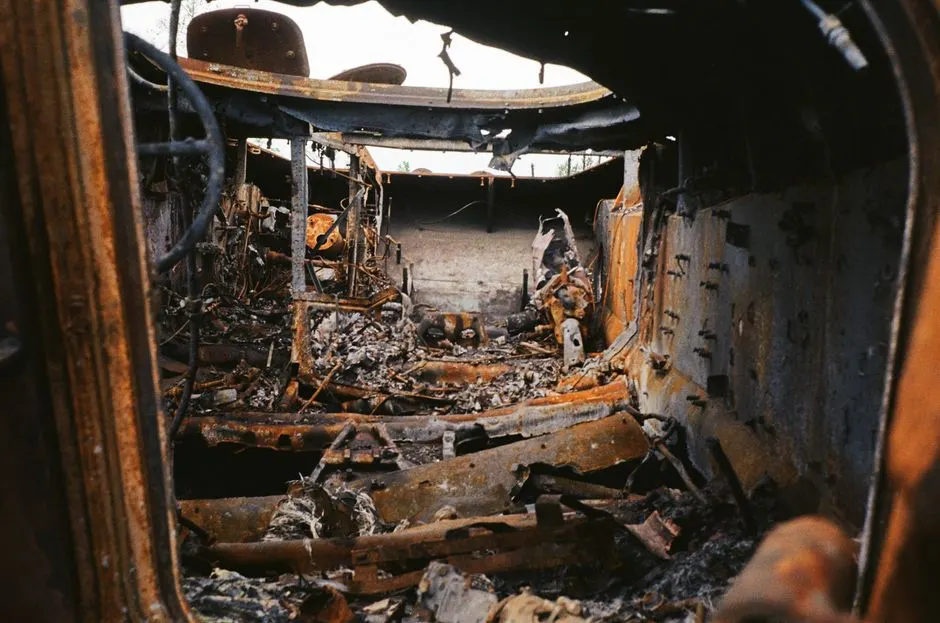
You clean a bedroom after a fire without spreading soot by working top-down, sealing the room first, and using dry methods before wet ones. Soot is a fine, oily powder - the moment you wipe it with a wet rag or run a household vacuum, you push it into the air and it lands on every surface in the hallway, the closets, and the rest of the house. In Palos Verdes Peninsula, where many bedrooms sit on the windward side of a canyon lot with open windows most of the year, that spread happens in minutes.
Below is the order we use on bedroom fire cleanup in PALOS VERDES PENINSULA: containment, dry removal, wet cleaning, odor control, and the decision point where DIY stops being safe. We'll also cover what 2026 costs look like and the mistakes that turn a small bedroom fire into a whole-house job.
Why bedroom soot spreads so fast
Bedroom soot spreads so fast because the same heat that burned the fire pushes smoke through every gap in the room - under the door, around outlets, into the HVAC return, and through the closet ceiling hatch. A bedroom fire that burns for eight minutes can deposit a visible soot film on walls 30 feet away.
Two things make bedrooms worse than kitchens or garages. First, bedrooms are packed with porous materials: mattresses, carpet, drapes, upholstered headboards, clothing in closets. Each one absorbs soot and holds odor. Second, bedroom doors are usually closed at night, which concentrates heat and pressure in the room until the fire vented - and that pressure pulse is what forces soot into the wall cavities and ductwork.
The soot itself is not just ash. Synthetic fabrics, foam mattress fill, and painted drywall produce a sticky, acidic residue that etches metal and stains paint within 72 hours. That's why the first 24 to 48 hours matter more than anything else you do.
What to do in the first hour
In the first hour after a bedroom fire, your job is to stop the spread and document the damage - not to start scrubbing. Do these in order:
- Get the fire department's clearance. Do not re-enter until they say the structure is safe and the utilities are off.
- Seal the bedroom doorway with 6-mil plastic sheeting and painter's tape. This one step prevents most of the cross-contamination in the rest of the house.
- Shut off the HVAC system at the thermostat and tape over the supply and return vents in the affected room. Running the air handler pulls soot into every duct in the house.
- Photograph everything before you move a single item - walls, ceiling, furniture, contents, and the exterior window if smoke vented out.
- Open windows in unaffected rooms only to cross-ventilate, and place a box fan blowing outward in a window of the burned room if it's safe to do so.
If you rent, call your landlord before you touch anything beyond sealing the door - tenant fire damage cleanup rules in California put structural cleaning on the owner, and doing it yourself can complicate the insurance claim.
How do you clean up after a bedroom fire without spreading soot in Palos Verdes Peninsula California?
You clean up after a bedroom fire without spreading soot in Palos Verdes Peninsula California by removing dry soot first with HEPA filtration and dry chemical sponges, then wet-cleaning in small sections, then deodorizing - never the other way around. Wet-wiping dry soot is the single biggest cause of smeared, spread stains.
Step 1: Set up containment and negative air
Hang plastic from the ceiling to the floor across the doorway with a zipper door, and run a HEPA air scrubber inside the room so it pulls air into the containment instead of pushing it out. A single HEPA scrubber rated for 500 CFM will turn the air in a 12x14 bedroom over roughly every four minutes. That's the difference between cleaning a room and cleaning a house.
Step 2: Remove dry soot from ceilings and walls
Start at the ceiling and work down. Use dry chemical sponges (sold as