Smoke odor that keeps coming back
We remove the contaminated insulation, seal the framing with a char-blocking primer, and run a hydroxyl generator until a re-test passes. The smell does not come back because the source is gone.
Attic Fire Restoration in PALOS VERDES PENINSULA, California starts with a fast, honest assessment of what the fire actually touched. We pull charred lumber, bag contaminated insulation, scrub soot off rafters, and run air scrubbers until the attic smells like nothing at all. If you need attic fire damage repair PALOS VERDES PENINSULA wide, we handle the whole job under one licensed roof, from the first tarp to the final insulation blow-in.
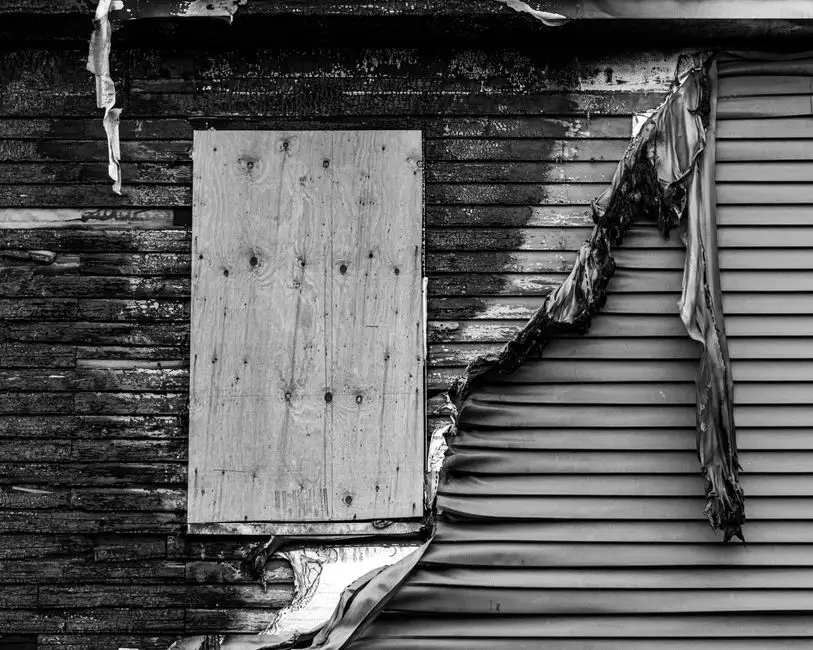
Attic Fire Restoration in PALOS VERDES PENINSULA, California is the trade of removing fire-damaged framing, insulation, and roofing materials from a confined, hard-to-reach space, then cleaning and sealing every surface so smoke residue stops off-gassing into the living space below. Attics are unforgiving: a small electrical arc or a chimney chase fire can char a rafter and fill 1,200 square feet of blown-in insulation with soot before anyone smells it downstairs. We open the space, map the damage with a thermal imaging camera, and separate what can be cleaned from what has to go.
Most attic fires in this area start at three points: a failed junction box, a chimney chase that lost its clearance, or a recessed light buried under insulation. Once the fire is out, the real damage is smoke odor lingering after fire and water damage from firefighting soaking the ceiling below. We run a HEPA vacuum and air scrubber setup to pull soot out of the air, then use a moisture meter to find wet framing before it turns into mold growth after fire and water damage. If you are searching for attic fire restoration near me PALOS VERDES PENINSULA, this is the work that has to happen before anything gets rebuilt.
Every attic fire job we take on covers the full path from emergency protection to a clean, re-insulated cavity. Here is what is in the scope, and what we handle in-house rather than handing off.
Roof openings and compromised vents sealed within 2 to 4 hours, 24/7. This is the step that keeps a fire loss from becoming a water loss in a Peninsula rainstorm.
Thermal imaging camera and moisture meter walk-through, with char and wet framing marked and photographed for your insurance claim documentation.
Every affected batt and every inch of blown-in bagged and hauled. Attic fire insulation contamination is the main cause of returning smoke odor, so we do not skip it.
Soot sponges on rafters and decking, HEPA vacuum on loose ash, and a char-blocking primer on every cleaned surface to seal in residual smoke residue.
Hydroxyl or ozone treatment sized to the attic volume, run 12 to 24 hours, then aired out and re-tested before we call the odor job complete.
Sistered or replaced rafters, new sheathing where needed, duct sealant on joints, fresh HVAC filters, and new insulation blown to California Title 24 R-value.
We tarp the roof opening and board any compromised vent or gable within 2 to 4 hours of your call, 24/7. That stops rain and night air from adding water damage to a fire loss. You get a written scope and an upfront price before we start demolition.
A technician walks the attic with a thermal imaging camera and a moisture meter, marking char, wet framing, and contaminated insulation with chalk. We photograph everything for the insurance claim documentation. This takes 45 to 90 minutes on a typical 1,500 square foot attic.
We bag and remove charred lumber, damaged drywall, and all contaminated insulation, then HEPA vacuum the entire cavity. A negative air machine keeps soot from drifting into the living space while we work. Most attics are stripped in one to two days.
Rafters and decking get scrubbed with soot sponges, sealed with a char-blocking primer, and treated with a smoke odor counteractant fogger. We run an ozone generator or hydroxyl generator, depending on occupancy, for 12 to 24 hours, then air it out and re-test.
We replace damaged sheathing, sister compromised rafters, seal ductwork with duct sealant, install fresh HVAC filters, and blow in new insulation to code. You get a final walk-through with moisture readings and photos, plus a 1-year workmanship warranty on the rebuild.
Purpose-built equipment, used by trained technicians — so the job is done accurately the first time.
Finds char and wet framing behind drywall and under insulation without tearing the attic apart. We photograph the readings for your claim.
Keeps soot from drifting into the living space during demo and pulls fine ash out of the attic air before we seal it up.
Removes loose ash and soot from rafters, decking, and the attic floor before any wet cleaning starts.
Confirms framing is under 16 percent moisture content before we close the cavity, which is our stop line for mold growth after fire and water damage.
Neutralizes smoke odor in the attic volume. We choose hydroxyl when the home is occupied and ozone when it is not.
Reaches the crevices a sponge cannot, including the tops of rafters and the underside of roof decking.
Dry-cleaned soot staining on walls and ceilings, then sealed so residual smoke residue cannot off-gas back into the house.
A failed junction box arced and charred two rafters and about 300 square feet of blown-in insulation. The attic smelled of smoke and the hallway below had soot staining on the ceiling.
We replaced both rafters, bagged and removed all contaminated insulation, sealed the framing with char-blocking primer, and re-blown new insulation to Title 24 R-value. The hallway ceiling was cleaned and repainted. Final moisture reading: 12 percent.
A chimney chase fire sent smoke through a 1,400 square foot attic and down into three bedrooms. The insulation was contaminated and the smoke odor lingered after the fire department left.
We cleaned the chase, removed and replaced all insulation, ran a hydroxyl generator for 24 hours, and cleaned the bedroom side. A re-test passed on day 5. The homeowner reported no smoke smell after the first week.
A kitchen fire pushed grease and soot up the vent chase into the attic. The attic insulation was stained and the range hood was pulling attic air back into the kitchen.
We cleaned the chase and the attic cavity, replaced the contaminated insulation, sealed duct joints with duct sealant, and installed new HVAC filters. The range hood now pulls clean air and the kitchen odor is gone.
The damage from an attic fire rarely stays in the attic. Here are the problems we see most often on the Peninsula and how we stop them.
Ask a pro →We remove the contaminated insulation, seal the framing with a char-blocking primer, and run a hydroxyl generator until a re-test passes. The smell does not come back because the source is gone.
We probe every rafter with a moisture meter and a pick, sister or replace anything compromised, and photograph the structural char for your claim file. You get a written record of what was replaced.
We dry the cavity to under 16 percent moisture content before closing it up, using a dehumidifier and air movers. We log the readings so you have proof the space was dry.
We clean the ductwork, seal joints with duct sealant, and replace the HVAC filters as part of the job. We run the system and check the supply air before we leave.
Most attic fire restoration jobs in this area run $4,500 to $18,000 in 2026, with a typical single-family attic landing near $9,000. Cost depends on how much framing was charred, how many square feet of insulation has to be replaced, and whether the ceiling below needs drywall. Small, contained electrical fires that only scorch a rafter and one insulation bay can come in under $5,000.
We do, and we are local. Fire Damage Restoration Palos Verdes Peninsula handles attic fire damage repair PALOS VERDES PENINSULA California homeowners and property managers call for, from emergency board-up through framing, insulation, and final odor clearance. We are CSLB-licensed, IICRC-certified, and we have been working Peninsula attics since 2022. Call (833) 929-6186 and we will schedule an assessment.
A typical attic fire restoration takes 7 to 14 days from board-up to final walk-through. Demo and cleaning run 2 to 4 days, deodorization adds 1 to 2 days, and framing plus insulation replacement takes another 3 to 7 days depending on material lead times. Larger homes with truss damage or a full insulation replacement can run 3 weeks.
Yes. Attic fire insulation contamination is one of the main reasons smoke odor comes back, so we bag and remove all affected insulation and re-blown new material to California Title 24 R-value as part of the job. We handle attic fire restoration and insulation replacement PALOS VERDES PENINSULA California customers need in one scope, so you are not hunting for a separate insulation contractor after the fire crew leaves.
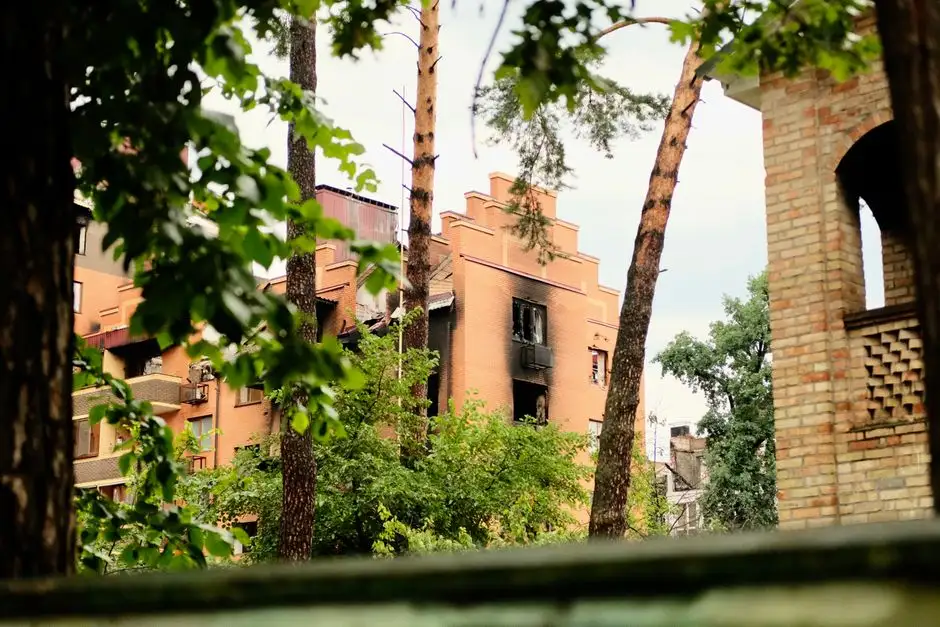 Smoke Damage RestorationAttic smoke pushes down through recessed lights and vents. We seal the attic side and clean the living-space side so the smell does not migrate back up after we leave.Explore →
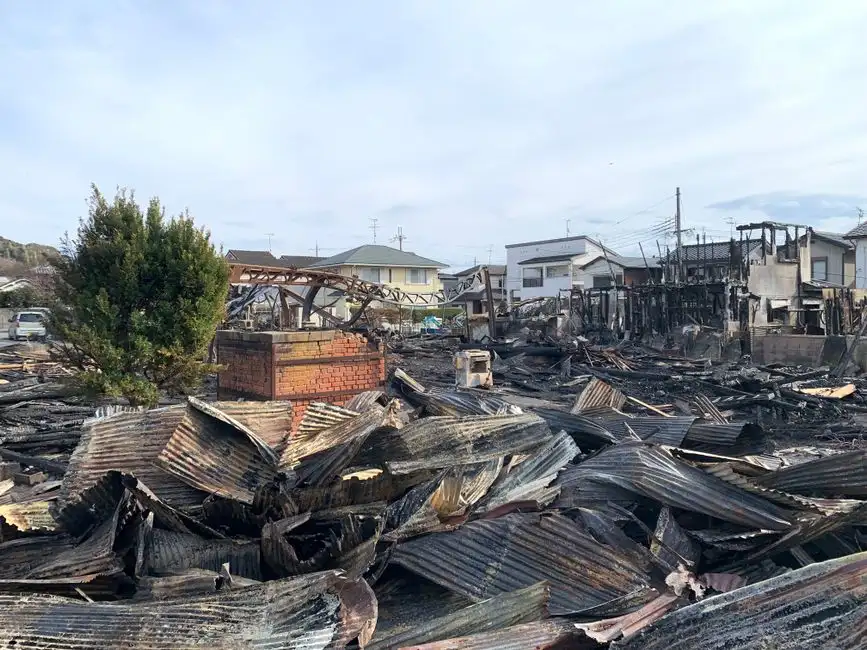 Fire Damage Clean UpChar, ash, and debris removal from the attic and the rooms below. We haul it out, HEPA vacuum the surfaces, and leave the space ready for framing and insulation.Explore →
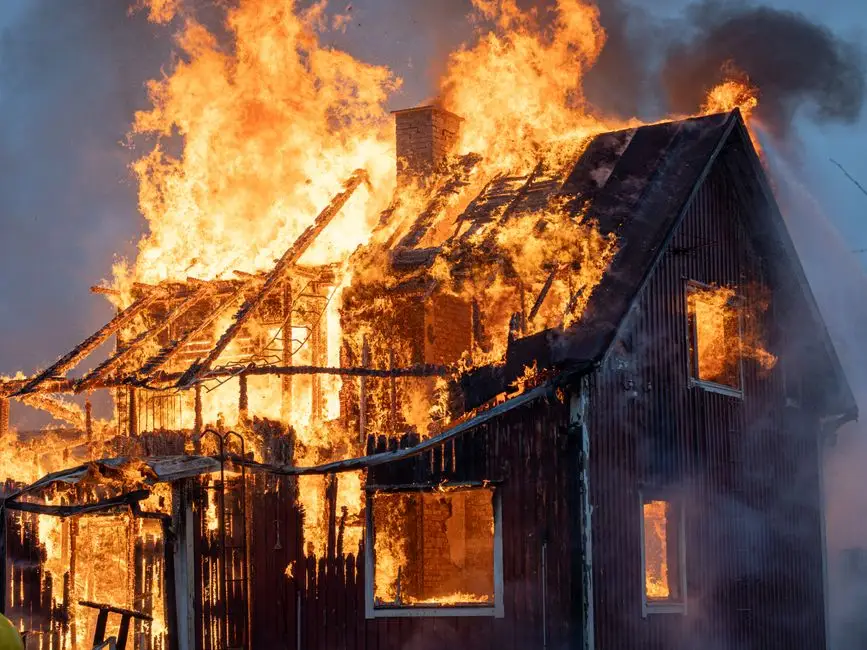 Emergency Fire Damage RestorationBoard-up and tarping within 2 to 4 hours, 24/7. Critical on Peninsula homes where an open roof and a rainstorm turn a fire loss into a water loss overnight.Explore →
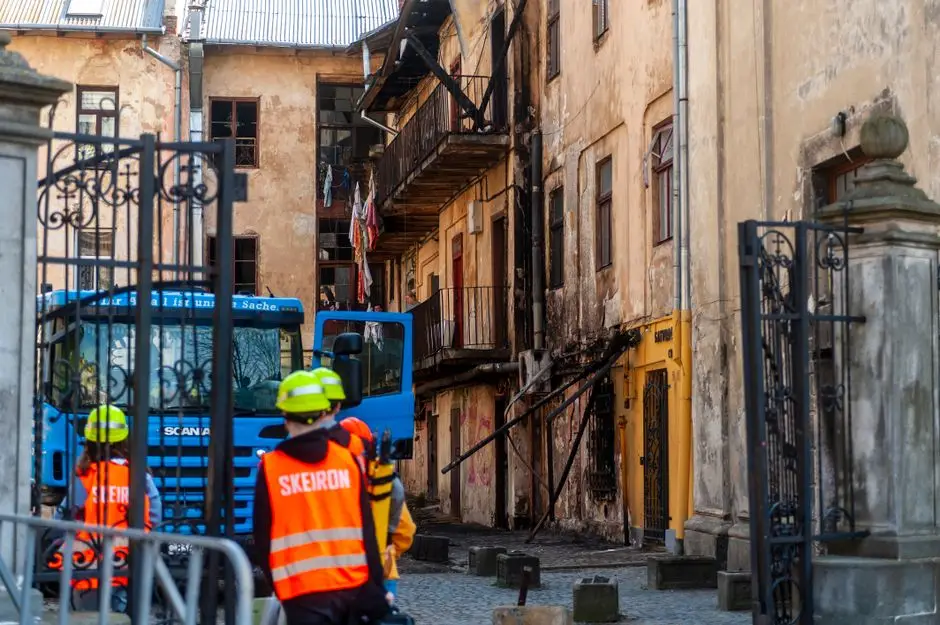 Structural Repair After FireSistered rafters, new sheathing, and code-correct framing. Our CSLB-licensed crew handles the structural char and weakened framing that attic fires leave behind.Explore →
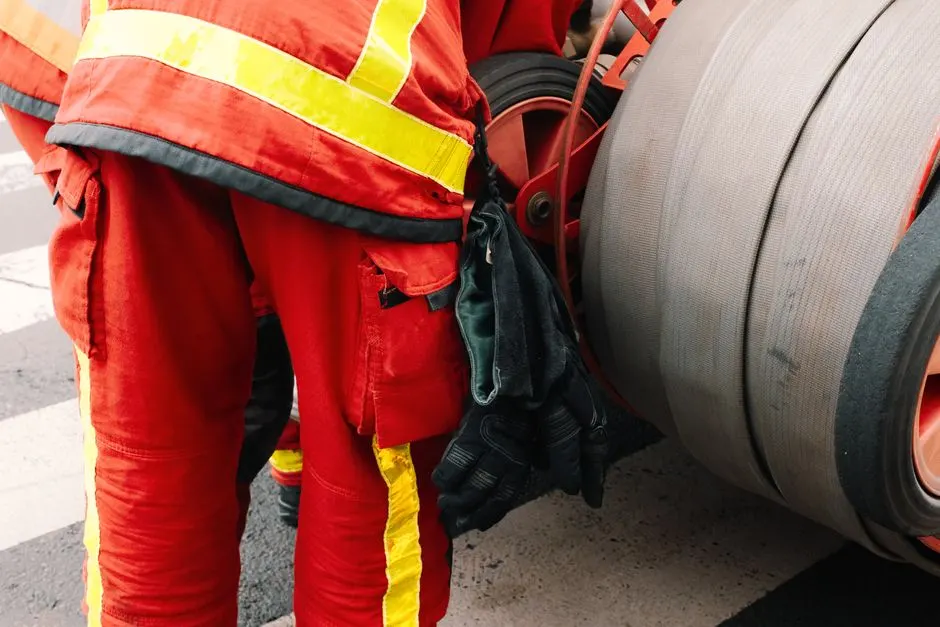 Odor Removal After FireHydroxyl and ozone treatment sized to the attic volume, plus char-blocking primer on every rafter. We re-test before we call the job done.Explore →
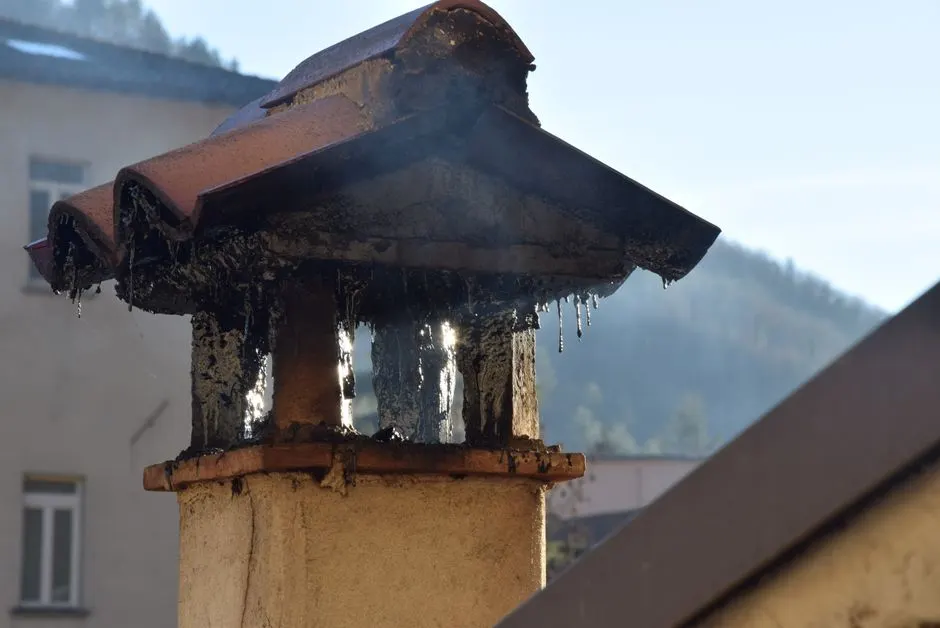 Soot RemovalDry soot sponges on rafters and decking, HEPA vacuum on the loose stuff. Soot staining on walls and ceilings below gets treated in the same visit.Explore →
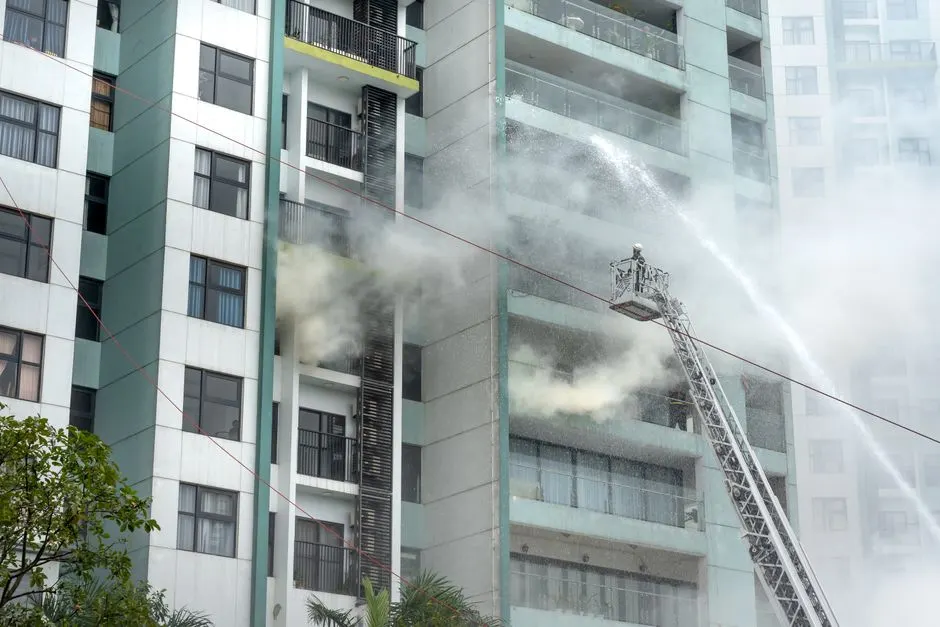 Smoke RemediationFull-cavity smoke remediation, including ductwork and HVAC filters, so the first time you run the heat you are not pulling attic smoke into every bedroom.Explore →
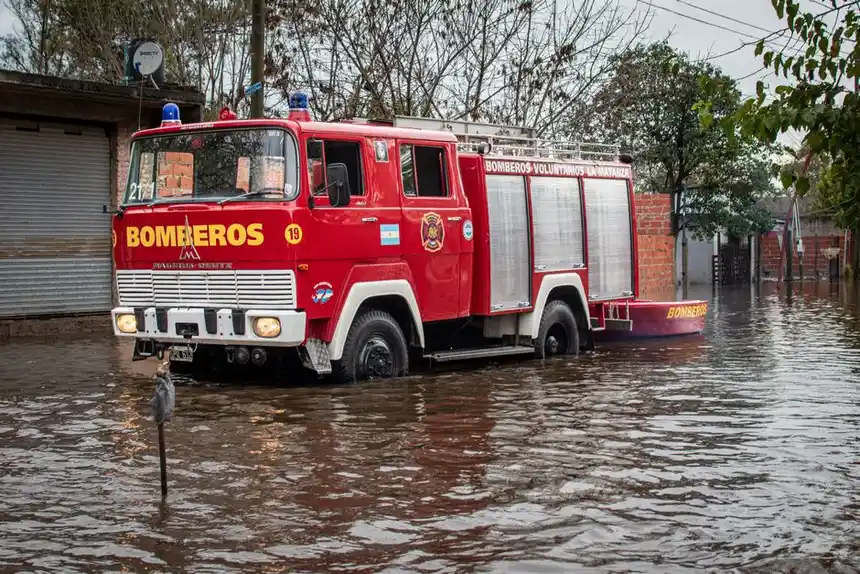 Fire and Flood RestorationAttic fires and firefighting water go together. We dry wet framing to under 16 percent moisture content before closing the space, which stops mold growth after fire and water damage.Explore →
One call gets a tarp on the roof and a written scope in your hands. We answer 24/7, we give you an upfront price, and we do not leave until the attic is clean, sealed, and re-insulated. Call (833) 929-6186.
Call Now (833) 929-6186 →Call (833) 929-6186 any time, day or night. A live person answers and can dispatch a crew to your Palos Verdes Estates, Rancho Palos Verdes, or Rolling Hills address within the hour. If you prefer email, send photos and your address to info@firedamagerestorationpalosverdespeninsula.com and we will respond the same day.